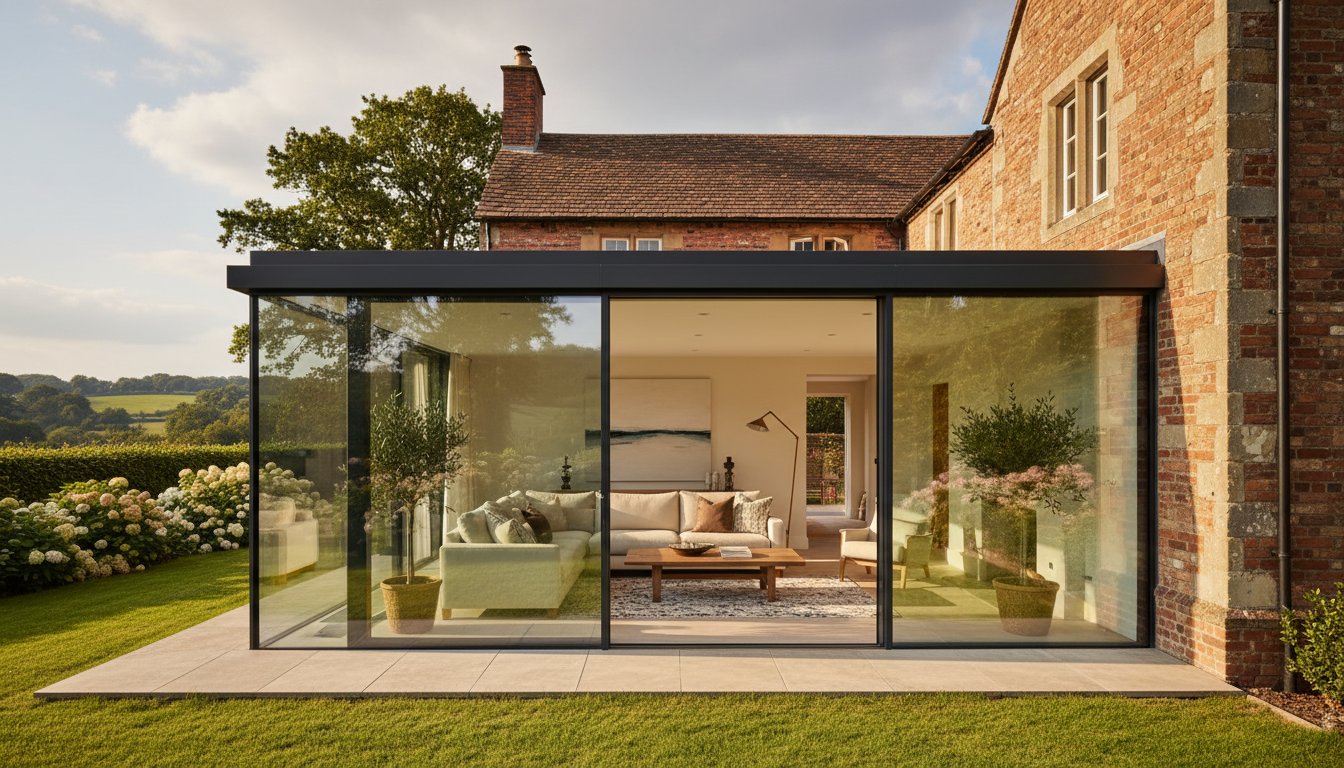
What if you could watch the frost settle over the Cheshire countryside from your sofa, surrounded by panoramic garden views, without ever feeling the winter chill? Most homeowners in Chester and Knutsford crave more natural light, but they often worry that a glass extension will be unusable for six months of the year due to poor temperature control. It's a common frustration, especially when you're also trying to navigate the specific planning restrictions that protect our county's unique architectural heritage.
This 2026 architectural guide shows you how to transform your outdoor living space with premium Glass Rooms that are as practical as they are stunning. Recent industry data from 2024 suggests that a high-specification glazed extension can increase a property's value by up to 7% in the North West, provided the design respects the original building. We'll explore how to achieve this balance, covering everything from thermal performance to finding a reliable local partner who manages the entire project, allowing you to open up your home with total confidence.
Key Takeaways
- Learn why modern Glass Rooms have become the premium alternative to traditional conservatories for Cheshire homeowners seeking a seamless indoor-outdoor transition.
- Discover how advanced 2026 glazing technology and slimline aluminium frames maintain perfect thermal performance and comfort through every British season.
- Gain essential insights into navigating planning permission and permitted development rights within Cheshire’s key conservation areas, including Knutsford, Chester, and Wilmslow.
- Compare the build times, costs, and natural light benefits of a glass structure versus a traditional brick extension to determine the best investment for your property.
- Explore bespoke design features, from integrated awnings to sliding glass walls, that allow you to customise your new living space to suit your specific lifestyle.
Defining the Modern Glass Room: A New Standard for Cheshire Living
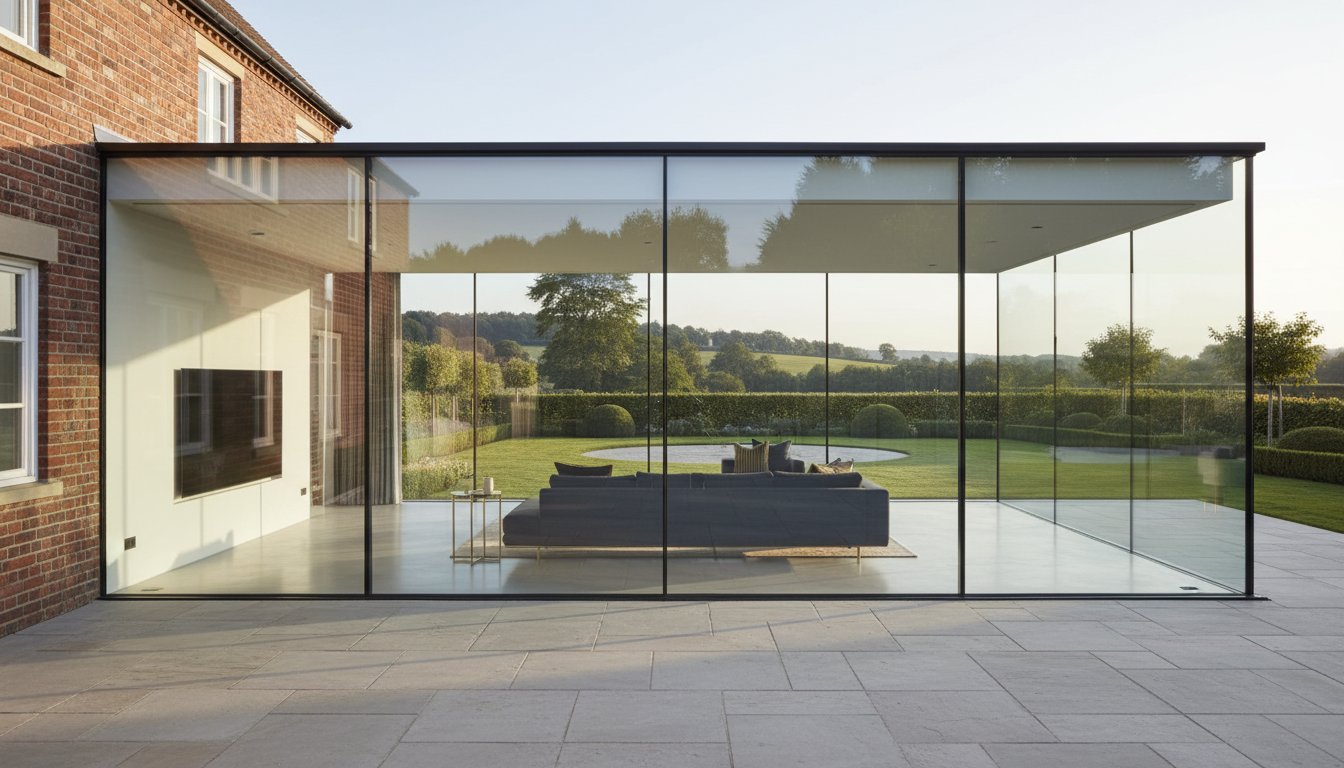
The architectural landscape of Cheshire is shifting. Homeowners in 2026 are moving away from traditional extensions in favour of structures that prioritise light and connection. While many people ask What is a Sunroom? the modern answer for high-end properties is the glass room. Unlike a conservatory, which often feels like a separate, plastic-heavy addition, Glass Rooms are designed to be invisible. They don't just add space; they dissolve the boundaries between your lounge and your landscaped garden.
This "indoor-outdoor" lifestyle is the dominant trend for the 2026 property market. Families want to enjoy the changing seasons without the chill of the British wind. By using slimline aluminium frames and frameless glass corners, these structures offer uninterrupted views that a standard sunroom simply can't match. It's a sophisticated solution for those who value minimalist aesthetics and high-performance engineering. It's about creating a transition zone that feels as premium as the rest of your home.
The Evolution of the Garden Room
Traditional timber structures served their purpose for decades, but they require constant maintenance and eventually succumb to the damp Cheshire climate. Modern aluminium-framed Glass Rooms have changed the game. In areas like Wilmslow and Alderley Edge, there is a clear shift toward minimalist architectural glazing that complements both heritage red-brick homes and contemporary builds. A glass room is a non-insulated or semi-insulated structure designed for maximum transparency, providing a sheltered environment that feels entirely part of the outdoors.
Why Transparency Matters for Your Property Value
Natural light is a primary driver for property valuations in the UK. Data from 2024 property market analyses suggest that high-quality architectural statements can add between 5% and 12% to a home's resale value in premium postcodes. By integrating your new space with premium aluminium windows, you create a cohesive architectural language across the entire property. This consistency is what attracts buyers who look for "turnkey" luxury. These installations flood the existing house with light, making internal rooms feel larger and more inviting. It's a practical investment that pays dividends in both lifestyle quality and financial return.
Our local teams understand that a glass room isn't just a construction project; it's a lifestyle upgrade. Whether you're looking to create a morning coffee spot or a sheltered evening retreat, the focus remains on durability and sleek design. We ensure every installation meets the rigorous standards required for the Cheshire climate while maintaining that sought-after frameless aesthetic.
Premium Materials and Thermal Performance for Year-Round Comfort
Modern Glass Rooms rely on a synergy between structural strength and thermal innovation. By 2026, the standard for these installations has moved beyond simple seasonal use. Homeowners across the North West now expect spaces that remain comfortable whether it's a bright July afternoon or a crisp October evening. Achieving this requires a combination of high-grade framing and intelligent glazing that works with the local climate rather than against it.
The Strength of Aluminium Frames
Aluminium is the essential choice for large-span glass roofs because it offers a strength-to-weight ratio that timber or uPVC cannot match. High-grade aluminium frames support expansive panes of glass with minimal visible structure. This allows for slimline aluminium profiles that maximise your view of the garden. In 2026, we've seen a 15% increase in the adoption of ultra-slim frames that reduce sightlines to as little as 20mm. These systems include multi-point weather-rated seals specifically tested against the 800mm to 1,200mm of annual rainfall typical in Cheshire.
Unlike wood, powder-coated aluminium is effectively maintenance-free. It won't warp, rot, or require repainting. The finish is applied using an electrostatic process that bonds the colour to the metal, ensuring it withstands the elements for 25 years or more. This durability makes it the most practical material for the British climate, providing a permanent, high-performance boundary for your home.
Advanced Glazing: Solar Control and Self-Cleaning Glass
The glass itself does the heavy lifting in managing temperature. Advanced solar-control coatings now reflect up to 78% of solar heat away from the room during summer. This prevents the "greenhouse effect" that plagued older designs. When considering Building Regulations for Thermal Performance, even unheated Glass Rooms benefit from low-emissivity (Low-E) glass that reflects internal heat back into the space during colder months.
For homeowners in leafy areas like Sandbach and Nantwich, self-cleaning glass is a practical necessity. This technology uses a dual-action microscopic coating that breaks down organic dirt using UV light and allows rainwater to wash it away without leaving streaks. To ensure your comfort, consider these standard 2026 specifications:
- Solar Gain Management: Tinted or reflective glass to ensure privacy from neighbours and reduce glare.
- Thermal Efficiency: Argon-filled units that significantly lower U-values compared to standard double glazing.
- Integrated Atmosphere: Dimmable LED lighting in the roof rafters and discreet infrared heating to extend usability past sunset.
Integrating these technologies transforms a simple extension into a versatile living area. If you're ready to see how these materials work together for your project, you can request a quote from our local technical team today.
Navigating Planning Permission in Cheshire Conservation Areas
Cheshire is home to some of the UK's most protected architectural landscapes. In areas like the Knutsford Town Centre Conservation Area, the historic Rows in Chester, or Pownall Park in Wilmslow, adding space requires a delicate touch. Most homeowners find that Glass Rooms offer a smoother path through the planning process than traditional masonry extensions. Because glass is transparent, it doesn't mask the original character of a period home. Planners often view these structures as lightweight, reversible additions that respect the existing building's silhouette while providing modern functionality.
Permitted Development (PD) rights allow many homeowners to bypass a full planning application. If your glass structure stays within specific height limits and doesn't extend beyond the principal elevation, it might fall under PD. However, conservation zones often have "Article 4 Directions" that restrict these rights to protect the local heritage. Always check the specific constraints of your postcode before starting work. Our technical team recommends a pre-application enquiry if you live in a Grade II listed property or a particularly sensitive area of Chester.
Working with Local Authorities
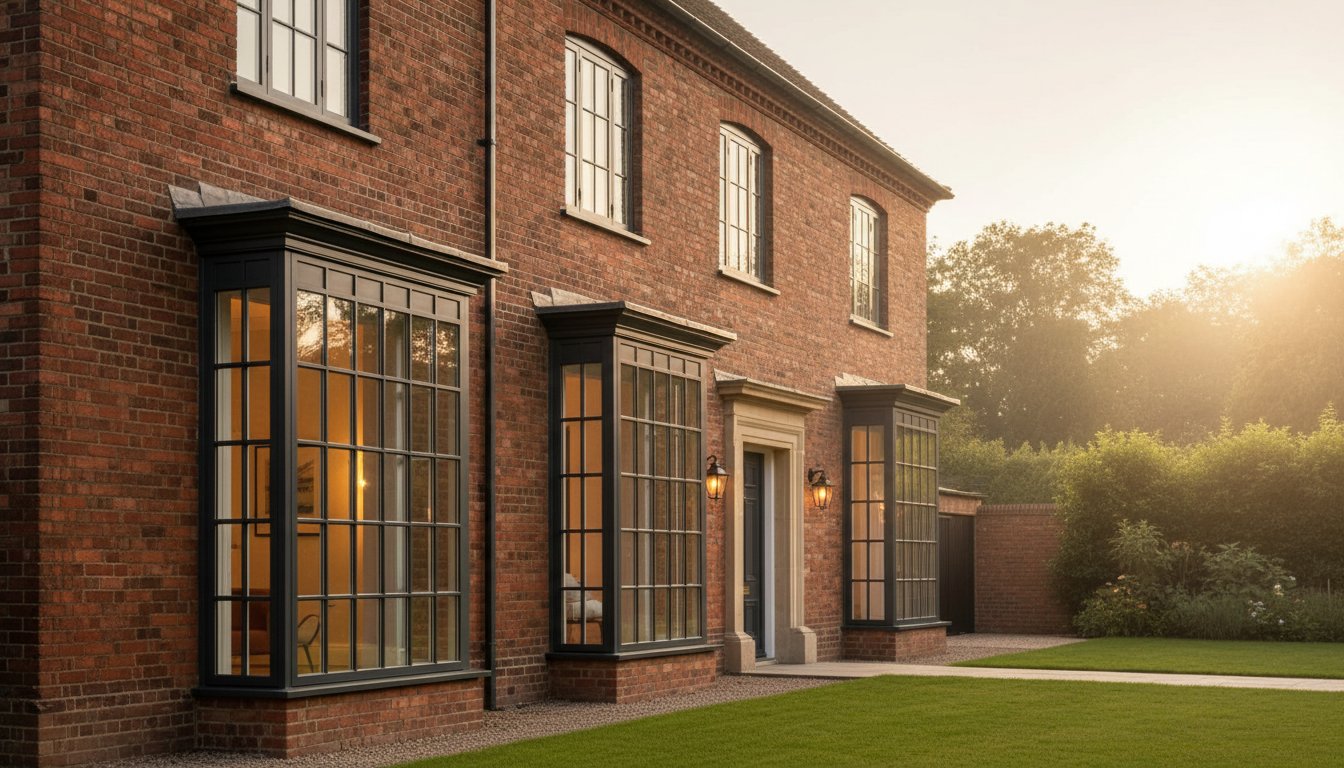
You'll likely deal with either Cheshire East or Cheshire West & Chester councils. Their planning portals are the first port of call for checking local constraints. Success in these areas depends on sympathetic design. Your new space should feel like a natural evolution of the property rather than a jarring bolt-on. Choosing Heritage & Steel Look Windows for your glass room frame is a smart move. These frames mirror the slim sightlines of classic metal windows, making them a favourite for planning officers who want to see period-correct aesthetics in modern installations.
Building Regulations vs. Planning Permission
It's vital to distinguish between planning permission and building regulations. Planning focuses on the visual impact on the neighbourhood, whilst building regulations ensure the structure is safe and energy-efficient. Most Glass Rooms under 30 square metres are exempt from building regulations, provided they are built at ground level and remain thermally separated from the main house by external-grade doors.
Even if your project is exempt, safety remains the priority. You must use toughened safety glass for all floor-to-ceiling panels and roof glazing to comply with British safety standards. This ensures the structure can handle heavy snow loads and accidental impacts. If you plan to remove the doors between the house and the glass room, the structure must then meet strict thermal performance targets, effectively becoming a full extension in the eyes of the law. Keeping the space unheated or independently heated is the most efficient way to maintain your exemption status.
Glass Room vs. Traditional Extension: Which Suits Your Property?
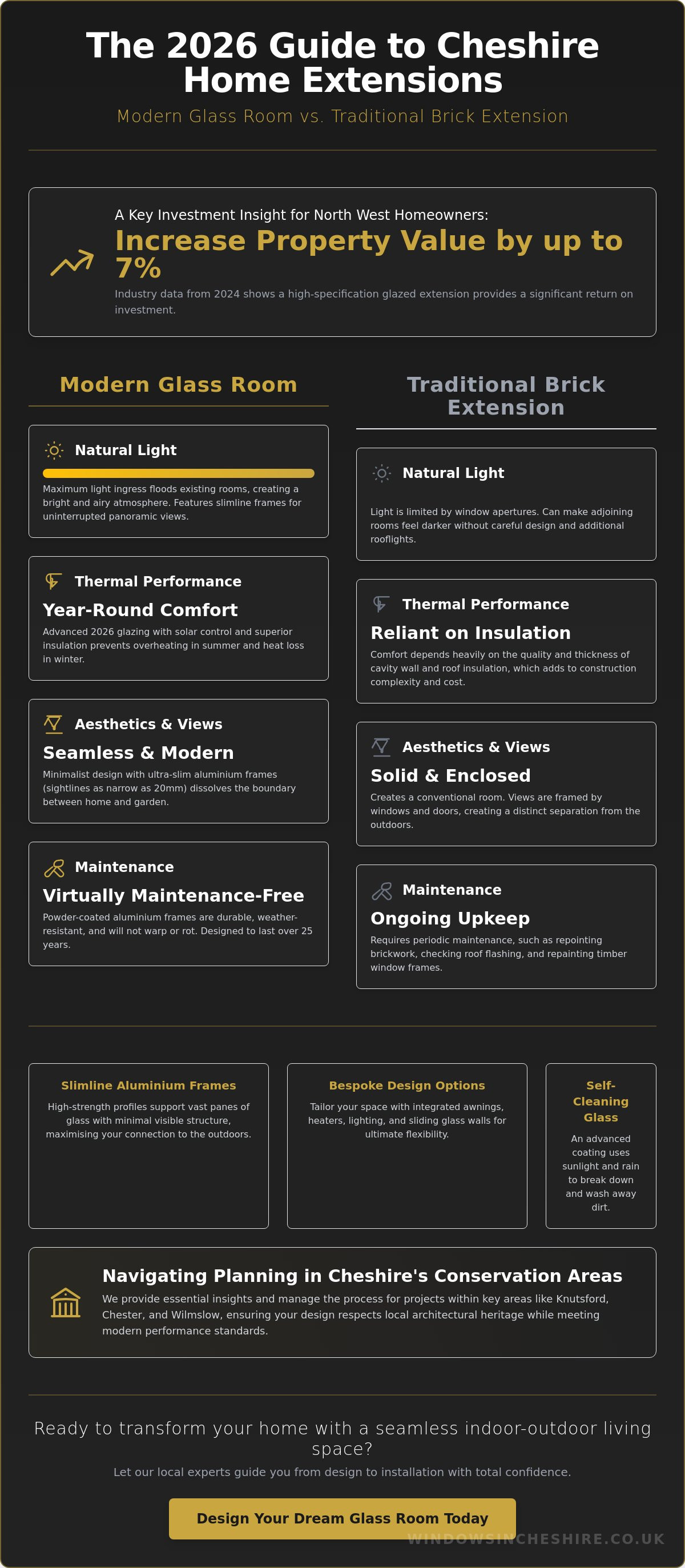
Deciding between a traditional brick extension and a bespoke glass room often comes down to how you want to experience your home. While a standard extension adds square footage, it frequently compromises the internal light levels of the existing property. Architects often highlight the "tunnel effect" created by solid roofs, where inner rooms become gloomy as the natural light source is pushed further away. Glass Rooms eliminate this issue entirely. They act as a transparent bridge to the garden, providing a sheltered environment that maintains the brightness of your original living space.
The flexibility of these structures is a major draw for Cheshire homeowners. A traditional extension is often locked into a single purpose, such as a kitchen diner or an extra bedroom. A glass structure offers a more fluid use of space. It serves as a high-end al fresco dining centre in the summer and a thermally efficient home office during the winter. It provides the protection of an indoor room while keeping you immersed in your outdoor surroundings.
The Speed of Installation
Time is a significant factor for busy families in Warrington and Crewe. A traditional brick-and-mortar extension typically involves a four-month construction period, including deep excavations and heavy machinery. In contrast, a glass room installation is usually completed within two to three weeks. Because these structures often utilise existing reinforced patios or require minimal groundworks, the "dry build" process is far less invasive. You won't have to deal with months of dust, skip hire, or builders trekking through your main living areas. It is a streamlined way to upgrade your property with minimal stress.
Aesthetic Impact on Modern and Traditional Homes
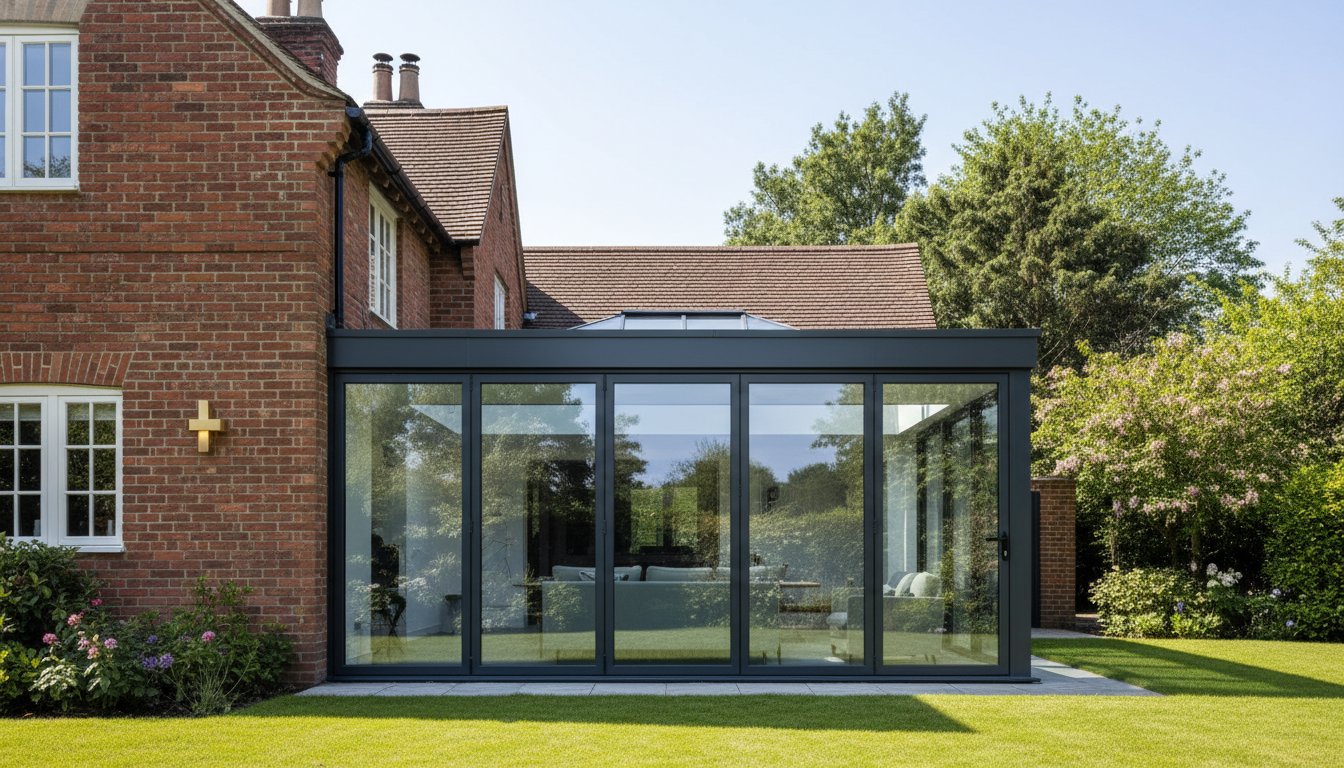
A glass room offers a unique architectural opportunity to create a "glass link." This is particularly effective for heritage properties in Cheshire where a brick addition might struggle to match the original period stonework. By using slimline frames and matching them with sliding doors, you create a transition that feels intentional and modern.
The psychological benefits are just as important as the visual ones. A 2023 report on biophilic design suggests that consistent access to natural light can significantly reduce stress and improve sleep patterns. By choosing a glass-led design, you aren't just adding a room; you're investing in a lifestyle change that prioritises wellness. The seamless connection to the garden allows you to enjoy the changing seasons from a comfortable, temperature-controlled environment.
If you're looking to transform your home with a high-performance glass structure, request a quote from our local team to see your project come to life.
Designing Your Dream Glass Room with Windows in Cheshire
Choosing a local partner is the most critical decision you'll make for your home improvement project. At Windows in Cheshire, we act as a "safe pair of hands" throughout the entire journey. We don't just supply components; we manage the architectural integration of your new space from start to finish. Our team understands that 100% of successful Glass Rooms depend on precise technical surveys and a deep knowledge of Cheshire’s diverse property styles. By choosing a full-service partner, you ensure that every sliding wall and integrated awning is calibrated to your home's specific structural requirements.
Bespoke Features and Customisation
Customisation is where your vision truly takes shape. You can choose from a vast palette of powder-coated finishes to match your existing frames. While Anthracite Grey remains a 2026 favourite for modern builds, our heritage finishes are increasingly popular for period properties in areas like Knutsford or Tarporley. For homes with tiered garden projects or elevated patios, integrating glass balustrades ensures a seamless transition between levels without obstructing your view. You might also consider adding motorised roof blinds. These provide ultimate light control at the touch of a button, ensuring your Glass Rooms remain comfortable regardless of the sun's position. This level of bespoke design transforms a standard extension into a highly functional, year-round living space.
The Windows in Cheshire Installation Process
We've refined our installation process to be as efficient as possible. It begins with a comprehensive site survey where our technical team assesses ground conditions and structural connection points. This isn't a high-pressure sales meeting; it's a consultative session to ensure your design is both stunning and practical. Once the plans are finalised, our expert local fitting teams take over. We organise every stage to minimise disruption to your daily life. We know your home is a sanctuary, not a construction site.
Our commitment to professional fitting across the Cheshire region means we're always nearby if you need us. Most of our structural glass installations are completed within a pre-agreed timeframe, often taking less than ten working days on-site once the initial foundations are prepared. We pride ourselves on transparency and reliability, ensuring your investment is protected by durable materials and expert craftsmanship.
Ready to see how a bespoke glass installation can transform your property? You can Request a Quote for a personalised Cheshire site visit today. If you already have architectural drawings, you can even send us your plans via WhatsApp for a rapid technical assessment from our modern local experts.
Ready to Transform Your Cheshire Home for 2026?
Investing in Glass Rooms is no longer just about aesthetics; it's a strategic move to enhance your property's value and thermal efficiency. As we look toward 2026, the shift from traditional brick extensions to high-performance architectural glazing is clear. You've seen how modern slimline frames meet the strict requirements of Cheshire East and Cheshire West conservation areas while providing year-round comfort. By choosing a solution that prioritises thermal performance, you're ensuring your home remains energy efficient and stunning for decades.
Our local teams serve Wilmslow, Alderley Edge, and Chester, providing a seamless experience from start to finish. We don't just supply products; we offer full project management that covers everything from the first design sketch to the final professional fitting. Our expert architectural glazing installers ensure every detail aligns with your vision and local building standards. It's time to stop dreaming about more light and start living in it. We're here to help you bridge the gap between traditional Cheshire charm and contemporary performance.
Request a bespoke glass room quote from our Cheshire experts today and take the first step toward your home's transformation.
Frequently Asked Questions
Do I need planning permission for a glass room in Cheshire?
Most glass rooms in Cheshire fall under Permitted Development rights and don't require formal planning permission. This usually applies if the structure is less than 4 metres high and doesn't cover more than 50% of your original garden land. We always recommend checking with Cheshire East or Cheshire West & Chester council if your home is in a Conservation Area. Our technical team can review your specific site plans via WhatsApp to confirm your project's status.
Will my glass room be too hot in the summer?
Your glass room won't become a greenhouse because we use advanced solar control glass that reflects up to 78% of solar heat. Integrated electric awnings and sliding glass walls allow for instant ventilation to maintain a fresh breeze. These modern thermal solutions ensure the space remains comfortable even when temperatures in Cheshire reach 30°C. You can easily control the climate with a touch of a button or a simple slide of the doors.
Can I use my glass room during the winter months?
You can enjoy your glass room throughout the winter by incorporating high-performance 2kW infrared heaters and energy-efficient glazing. These heaters provide instant warmth that heats objects rather than just the air; this makes the space cosy even in January. While these are unheated structures by definition, the combination of thermal glass and modern heating technology allows for year-round use. It's the perfect spot to watch the frost on your garden while staying dry.
What is the difference between a glass room and a veranda?
A veranda is an open-sided roofed structure, whereas Glass Rooms are fully enclosed spaces with sliding or folding glass walls. You can convert a veranda into a glass room at a later date by adding side elements to create a protected environment. This flexibility allows you to choose between a sheltered outdoor seating area or a completely weatherproof room that protects your garden furniture all year. Both options maximise light and open up your home beautifully.
How much maintenance does a glass room require?
Maintenance is minimal because we use powder-coated aluminium frames that don't rust, rot, or require painting. We recommend cleaning the stainless steel floor tracks every 6 months to ensure the sliding doors move smoothly. Choosing "easy-clean" glass coatings reduces the need for frequent washing, as rainwater helps wash away organic dirt. A simple wipe down with soapy water once a season is usually enough to keep the structure looking brand new for decades.
Can a glass room be fitted to a bungalow or a period property?
We can fit Glass Rooms to bungalows or period properties using bespoke architectural solutions like integrated box gutters and reinforced wall plates. For bungalows with low rooflines, we often use a "lean-to" design or a standalone structure to create the necessary height. If you own a heritage home, our slimline aluminium profiles provide a modern contrast that respects the original character of the building. Send us a photo of your property via WhatsApp for a quick feasibility assessment.
Is a glass room as secure as a traditional extension?
Our glass rooms are highly secure, featuring 10mm toughened safety glass and internal locking systems on all sliding doors. This glass is significantly harder to break than standard window glass; it's designed to withstand high wind loads and impacts. While these spaces are designed for leisure rather than as a primary secure entrance, the robust aluminium frames and high-quality hardware provide excellent peace of mind. Your garden furniture and decor will remain safe and protected.
How long does the installation of a glass room typically take?
The physical installation of a glass room typically takes between 2 and 5 days once the components arrive on site. Because the structures are precision-engineered in a factory, the on-site work is efficient and creates very little mess compared to a traditional brick extension. Our local teams in Cheshire handle the entire process, from preparing the base to the final sealing of the glass. You'll be able to enjoy your new garden room in less than a week after we start.