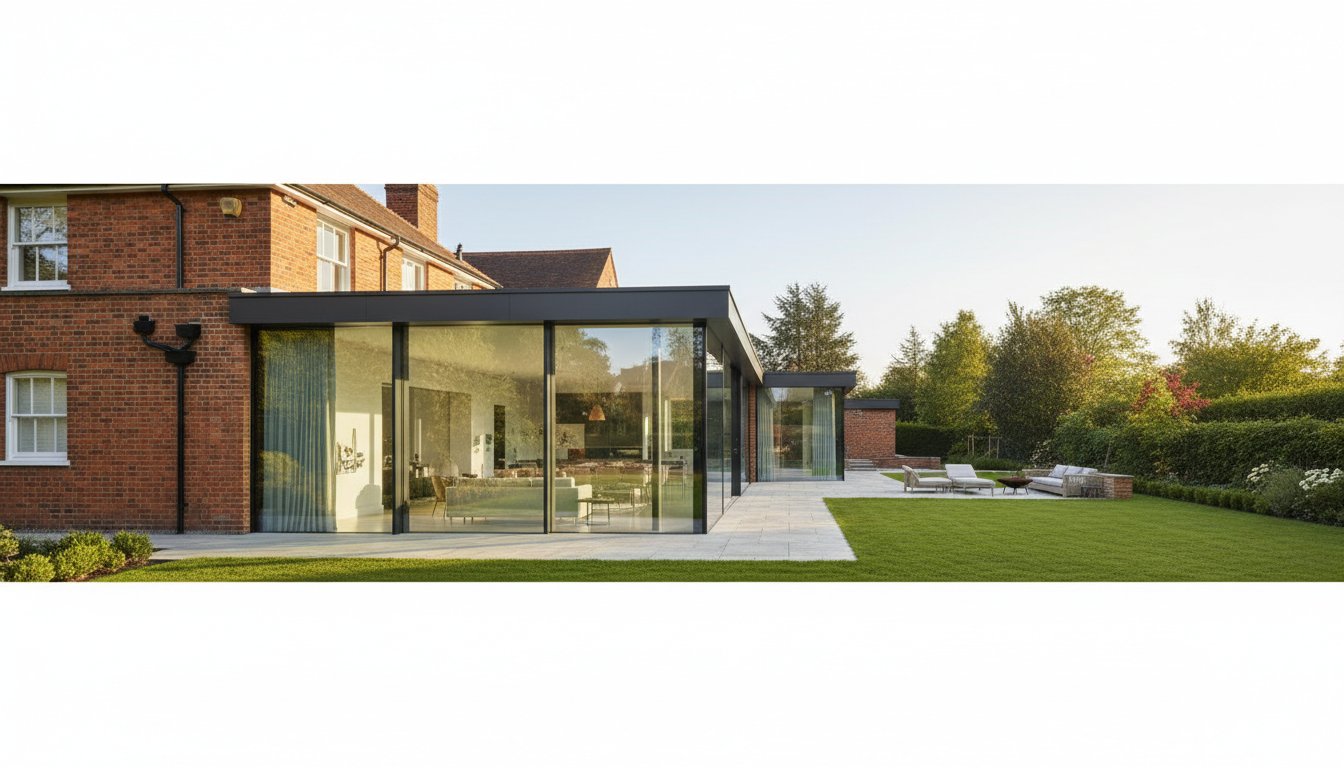
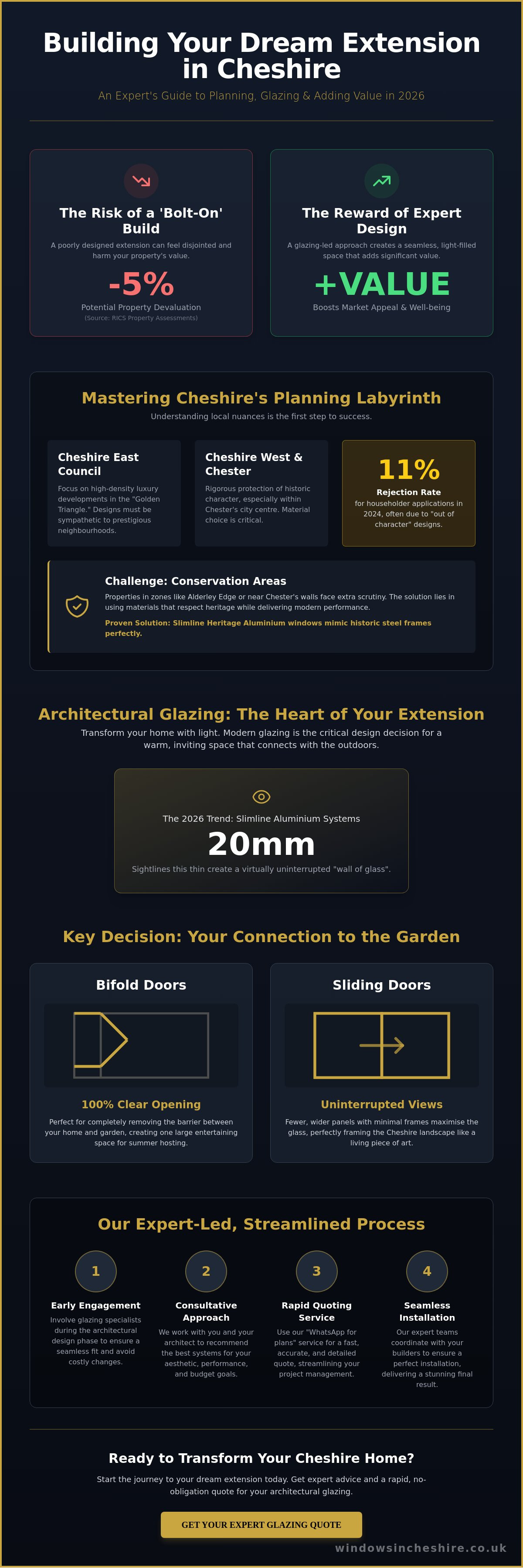
A poorly designed 'bolt-on' extension can actually devalue your property by as much as 5% according to recent RICS property assessments. You likely want more than just extra square footage; you're looking for a transformative space that feels like a natural part of your home's architecture. Building an extension in Cheshire presents unique challenges, from meeting the strict design codes of Cheshire East and West to coordinating multiple trades without the usual stress. It's understandable to feel overwhelmed by the technical details of thermal performance and structural glass while trying to keep your project on track.
This guide provides the expert roadmap you need to navigate planning, design, and premium glazing choices with total confidence. We'll show you how to use slimline architectural glass to create a seamless indoor-outdoor flow that floods your home with light and significantly boosts its market value. From understanding local planning nuances to selecting heritage-style frames, we've broken down the path to your dream home into manageable, expert-led steps. Whether you're in Wilmslow or Chester, these insights ensure your investment delivers both beauty and long-term durability.
Key Takeaways
- Understand how to harmonise your design with the local vernacular, ensuring your addition complements the unique architectural heritage found across the county.
- Discover why premium architectural glazing is the defining feature of a modern build, helping you maximise natural light and enhance your home's thermal performance.
- Navigate the complexities of building an extension in Cheshire by mastering the 2026 Permitted Development rights and the "Prior Approval" process for larger projects.
- Learn how to coordinate your build timeline effectively by engaging glazing specialists early to ensure a seamless installation and a stunning final result.
- Streamline your project with our expert-led, consultative approach, including our efficient "WhatsApp for plans" service for rapid, accurate glazing quotes.
Planning Your Cheshire Extension: Local Considerations for 2026
Building an extension in Cheshire requires a deep understanding of the county's varied architectural heritage. Whether you own a grand Victorian villa in Wilmslow or a quaint timber-framed cottage in Knutsford, your 2026 project must respect the local vernacular. Matching materials is vital. Using reclaimed Cheshire red brick or local sandstone ensures your new addition feels like a natural evolution of the property rather than a jarring bolt-on. It's about creating a sympathetic addition that adds both floor space and financial value.
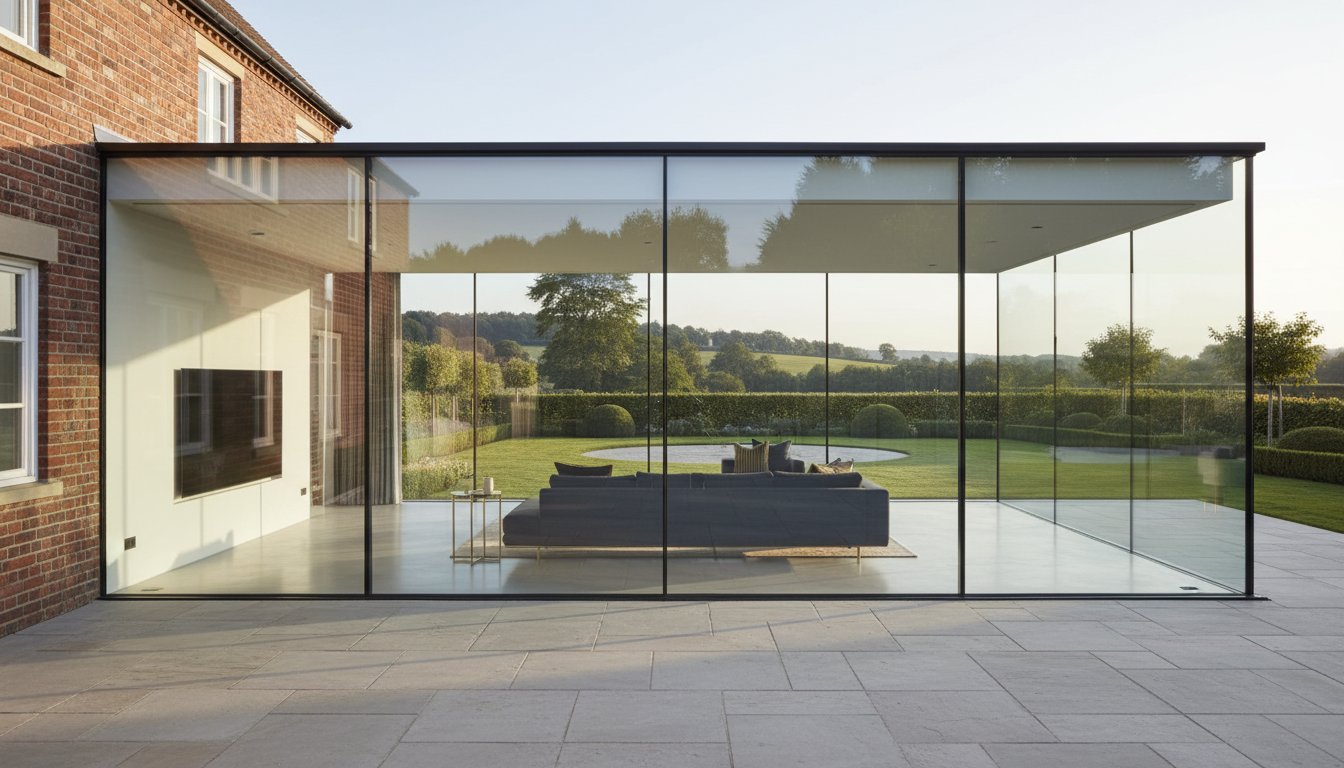
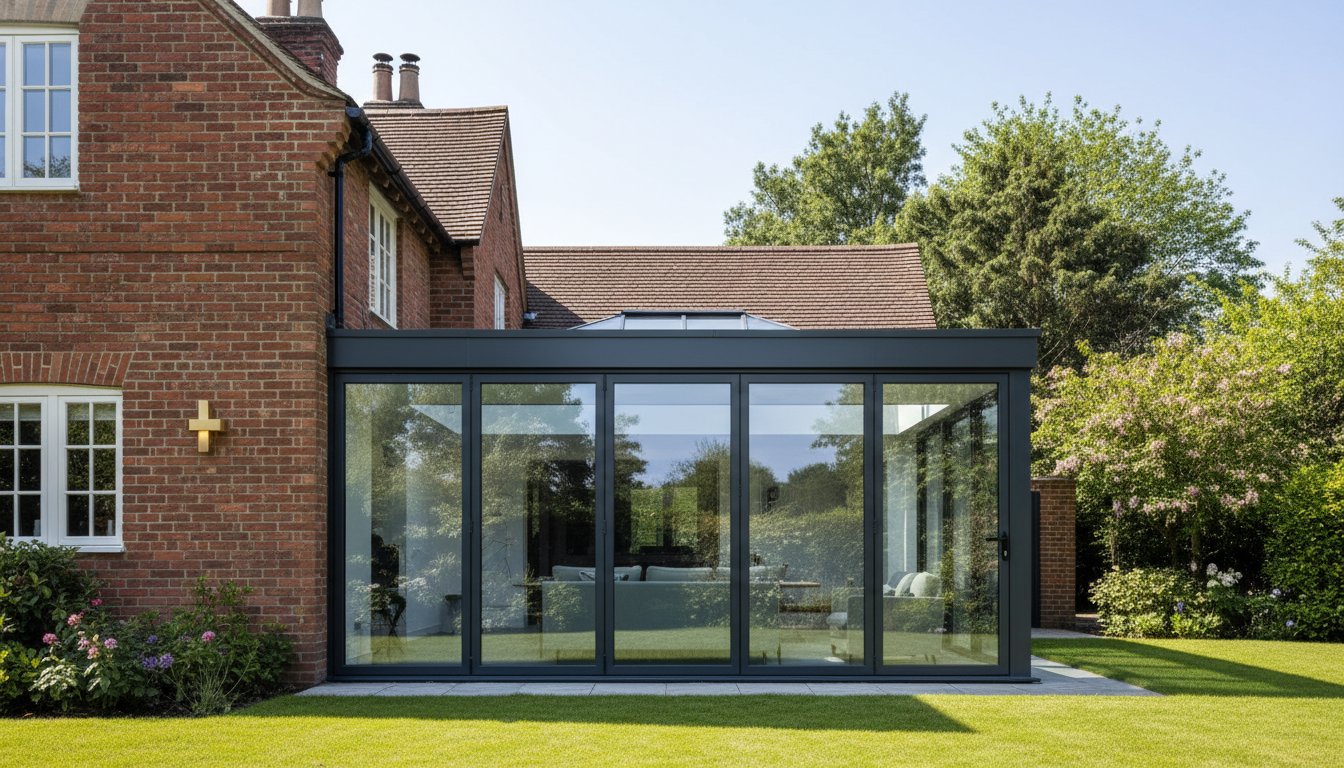
The "glazing-led" approach is currently dominating luxury home transformations across the region. Homeowners are moving away from solid-walled additions in favour of structures that maximise natural light and create a seamless link to the garden. You'll need to decide between a minimalist glass-box extension, which creates a striking contemporary contrast, or a heritage-style orangery. The latter remains a favourite for those wanting to maintain a classic aesthetic whilst opening up their living space. It's a balance of performance and style that defines the modern Cheshire home.
Navigating Cheshire East and West Planning Authorities
Understanding the UK planning permission system is the first hurdle for any homeowner. In our region, Cheshire East and Cheshire West and Chester councils have distinct priorities. Cheshire East often deals with high-density luxury developments in the "Golden Triangle," whilst Cheshire West maintains a rigorous focus on the historic character of the city centre. Rejection rates for householder applications in these areas sat at approximately 11% in 2024, often due to designs that officers deemed "overbearing" or "out of character." Partnering with local architects who specialise in the "Cheshire look" can significantly reduce these risks.
Extensions in Cheshire Conservation Areas
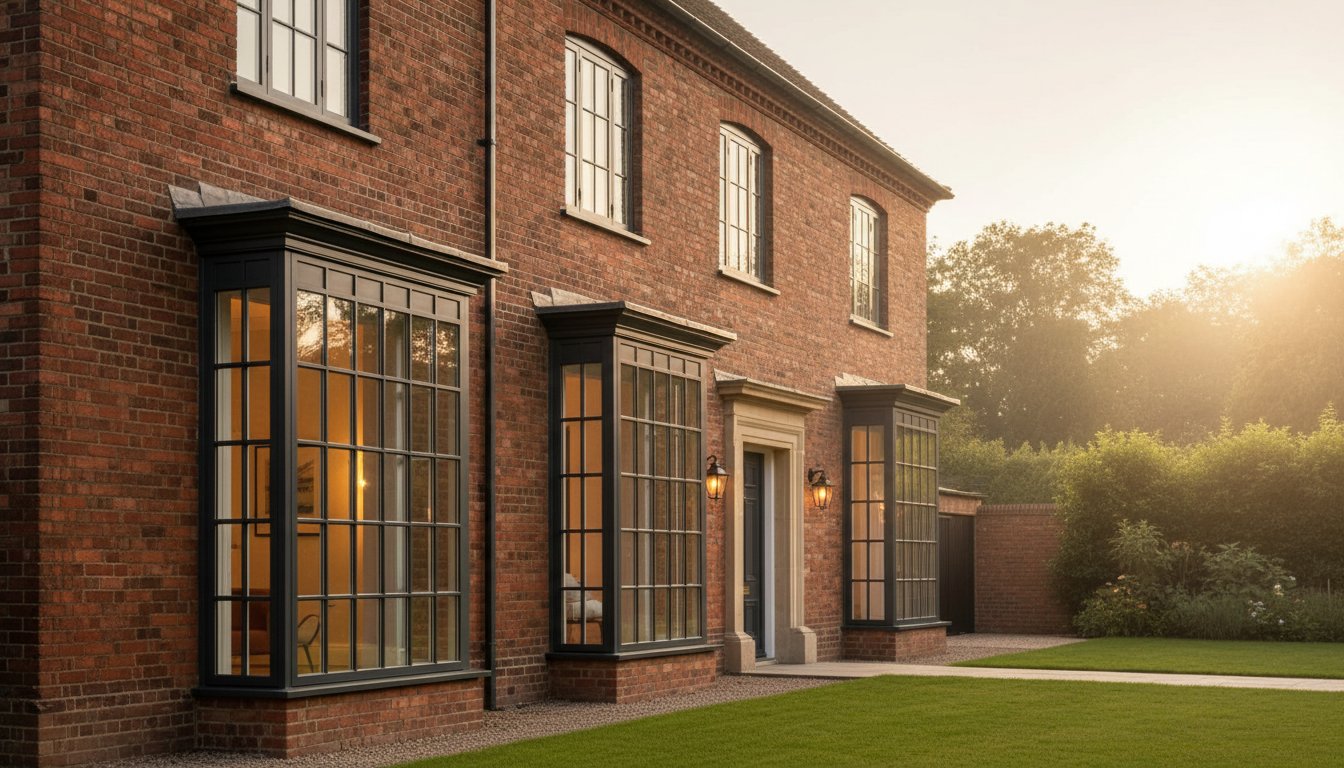
If your property sits within a protected zone like Alderley Edge or the Chester city walls, building an extension in Cheshire involves extra layers of scrutiny. Conservation officers prioritise the preservation of the original building's soul. This is where material choice becomes highly technical. Installing heritage windows is a proven way to satisfy strict aesthetic requirements. These slimline aluminium frames mimic the historic look of steel windows but offer the thermal performance required for 2026 building regulations. It's about achieving a seamless blend of old-world charm and modern efficiency without compromising on the property's heritage status.
Architectural Glazing: The Heart of the Modern Extension
Building an extension in Cheshire often starts with a vision of a light-filled kitchen-diner. For homeowners looking to integrate professional catering or high-end food display features into their new culinary space, you can learn more about TFSE Products Ltd and their expertise in the field. Similarly, if you are planning a built-in wine cellar or bar as part of your renovation, Mosse and Mosse offer an expert guide to selecting the right varieties to showcase in your new home. The windows and doors you select aren't just functional openings; they are the most critical design decisions you'll make. In the North West, where overcast days are common, architectural glazing acts as a light harvester. Maximising natural light isn't just about aesthetics. It's about well-being. Research into residential architecture suggests that increasing daylight exposure can significantly improve mood and productivity. This makes your new space feel healthy and inviting even in the depths of January. The trend for 2026 focuses on slim-profile aluminium systems. These frames offer incredible strength with minimal visual interruption. By choosing frames with sightlines as thin as 20mm, you create a seamless transition between your interior and the Cheshire countryside. While you plan these large glass spans, keep in mind that your design must align with the official government guidance regarding boundary distances and thermal efficiency. High-performance glazing ensures that your extension remains warm in winter and cool in summer, preventing the "greenhouse effect" often associated with older conservatories.Bifold Doors vs Sliding Doors for Your Garden Connection
Choosing between these styles depends on how you use your patio. Aluminium bifold doors are perfect for those who want to remove the barrier between inside and out entirely. They fold back to reveal a 100% clear opening, which is ideal for summer hosting. However, large-format sliding doors are gaining popularity for elevated Cheshire homes. Because they use fewer vertical frames, they provide uninterrupted panoramic views when closed. This is a significant advantage for properties overlooking the Peckforton Hills or the Cheshire Plain where the view is the primary feature.Steel-Look and Heritage Aesthetics
The "industrial chic" trend has seen a massive surge in local renovations throughout 2024 and 2025. Many homeowners are now opting for steel-look doors to add character to their extensions. These designs use slim black bars to create a grid pattern, providing a striking contrast against traditional red Cheshire brickwork. You can also use internal heritage screens to divide a large open-plan area. This allows you to create a quiet snug or home office without blocking the flow of light through the house. If you're currently building an extension in Cheshire, you can request a quotePermitted Development and Building Regulations in 2026
Building an extension in Cheshire doesn't always require a full planning application. Permitted Development (PD) rights allow many homeowners to bypass the traditional committee process for specific projects. For most properties, you can extend a detached house by up to 4 metres or a semi-detached home by 3 metres without formal permission. If you're planning something more ambitious, the Prior Approval process is your best route. This fast-track system allows for rear extensions up to 8 metres for detached houses and 6 metres for others, provided your neighbours don't raise valid objections during a 21-day consultation period.
Compliance is non-negotiable. Every extension must adhere to the latest Building Regulations to ensure the structure is safe and energy-efficient. A FENSA certification is a vital part of this process for your glazing. It guarantees that your windows and doors meet thermal performance and safety standards without requiring a separate inspection from local building control. Without this certificate, you'll face significant hurdles when you eventually try to sell your property.
Thermal Performance and Part L Compliance
The 2025 Future Homes Standard has set a high bar for 2026 projects. Part L of the Building Regulations now demands much stricter U-values to ensure new spaces are carbon-efficient. For extensions, your glazing must typically achieve a U-value of 1.2 W/m²K or better. Choosing high-performance aluminium windows is an effective way to hit these targets. These systems use advanced thermal breaks to prevent heat loss through the frames. You also need to manage "solar gain" in glass-heavy designs. We recommend specialist low-E coatings that reflect external heat during the summer while trapping internal warmth during the winter months.
Structural Integrity and Roof Lights
Modern designs for building an extension in Cheshire often focus on "opening up" the rear of the home. Removing an external wall to install wide-span bifold doors requires heavy-duty steel lintels to support the upper floors. If you're dreaming of a "floating corner" where two glass walls meet without a pillar, you'll need a structural engineer to design a cantilevered steel frame. Your roof structure must also be reinforced to support the weight of large-scale flat roof lights. These units can weigh over 100kg depending on the glass thickness, so the surrounding joists must be doubled or "trimmed" to ensure the roof remains perfectly level and watertight for decades to come.
Project Management: Coordinating Your Cheshire Build
Managing the timeline for building an extension in Cheshire requires synchronising several moving parts to avoid delays. A typical project lasts between 16 and 24 weeks from the first groundworks to the final decoration. You'll see the first shovel hit the ground for foundations, followed by the shell construction and roof installation. However, the most successful projects involve the glazing specialist during the initial design phase. When you engage your window installer at the same time as your architect, you ensure that structural openings are designed specifically for the slimline profiles you want. This prevents costly on-site modifications or "propping" later in the build.
Maintaining the "Golden Thread" of communication between your builder, architect, and glazing team is vital. It's about ensuring everyone works from the same set of technical drawings to avoid discrepancies in floor levels or lintel heights. You should prepare your site for the architectural glass installation by ensuring clear access for delivery vehicles and a clean, debris-free environment. This "big reveal" usually happens once the wet trades have finished their primary work, allowing the building to be "weather-tight" for the interior fit-out.
Working with Local Cheshire Builders
Vetting contractors in Warrington, Crewe, and Nantwich involves more than just checking references. You need to ensure your builder understands the tight tolerances required for premium aluminium systems. Modern frames often require a 5mm to 10mm tolerance for a seamless finish. Using local teams who have established relationships with glazing specialists often results in a smoother build. They've likely collaborated on similar projects across the county and understand the specific requirements for flush floor tracks and concealed drainage.
The Glazing Installation Process
Once the structural openings are formed, our technical team conducts a precision survey to manufacture your custom-made windows. This usually occurs 4 to 6 weeks before the scheduled fitting. During the messy "second fix" phase, it's vital to protect your investment from plaster splashes and brick dust which can be abrasive. Final sign-off includes receiving your FENSA certificates and warranties. These documents are essential for building an extension in Cheshire that adds genuine value, as they're required by solicitors during any future house sale.
Ready to move your project forward? Send us your plans via WhatsApp for a direct technical consultation with our local experts.
The Windows in Cheshire Approach to Your Extension
Building an extension in Cheshire represents a significant financial and emotional commitment. We believe the process of choosing your glazing should be just as rewarding as the final result. Rather than using aggressive sales tactics, we provide a consultative, expert-led service. Our team acts as a technical partner, helping you maximise natural light and thermal efficiency while ensuring your new space meets strict 2026 building regulations. It's about providing a safe pair of hands for your investment.
We've streamlined the quoting process to suit the busy schedules of modern homeowners. Our "WhatsApp for plans" feature allows you to send architectural drawings directly to our technical desk. This isn't a rough estimate; it's a rapid, accurate quote based on your specific requirements. By using digital convenience, we remove the "analysis paralysis" often associated with large-scale renovations, giving you clear figures to work with from the start.
Our presence across the county is anchored by dedicated Local Teams in Sandbach, Wilmslow, and Alderley Edge. This local focus ensures we understand the specific architectural character of different Cheshire postcodes. Whether you're extending a traditional farmhouse or a contemporary villa, our installers are nearby, accountable, and deeply familiar with the regional style. We combine this local charm with a premium range of aluminium systems that add genuine, long-term value to your property.
Bespoke Solutions for Unique Cheshire Homes
Every property has its own personality. We've used heritage French doors to transform extensions into seamless transitions between the home and garden. These systems provide the iconic slimline look of steel while offering modern thermal performance. We offer custom colour matching to ensure your new glazing perfectly complements existing architectural features, such as stone lintels or specific brick tones. Our aluminium systems are built to withstand the North West weather, offering a life expectancy of over 40 years with minimal maintenance required.
Start Your Transformation Today
Getting started is straightforward and transparent. You can get a bespoke quote for your project by sending us your architectural drawings via our website or WhatsApp. If you prefer a more hands-on experience, visit our local showcases to see the quality of our steel-look and bifold ranges in person. Seeing the precision of the hardware and the slimness of the profiles helps you make an informed decision for your home. Request a Quote for your building an extension in Cheshire project today and let us help you create a space that truly inspires.
Bringing Your 2026 Extension to Life
Building an extension in Cheshire involves more than just bricks and mortar; it's about creating a seamless transition between your home and the outdoors. Success in 2026 relies on navigating updated building regulations and choosing high-performance architectural glazing that balances thermal efficiency with stunning aesthetics. Whether you're drawn to the timeless appeal of Heritage frames or the sleek lines of modern Steel-look designs, your choice of windows and doors will define the character of your new space.
Our local teams across Cheshire bring years of experience to every project, ensuring your installation is handled by expert FENSA-registered installers. We specialise in helping homeowners maximise natural light while maintaining the practical durability needed for the British climate. By focusing on a consultative approach, we take the stress out of the technical phase, allowing you to focus on the excitement of your home's transformation.
Ready to see how we can elevate your project? Send us your extension plans via WhatsApp or our web form for a specialist glazing quote. It's the simplest way to get a professional perspective on your build and start turning your 2026 vision into a reality.
Frequently Asked Questions
Do I need planning permission for an extension in Cheshire?
You don't always need planning permission if your project falls under Permitted Development rights. For a single-storey rear extension, you can often build up to 4 metres deep for a detached house or 3 metres for others without a full application. However, 25% of Cheshire homes sit within Conservation Areas or Green Belts where these rights are restricted. Always check with Cheshire East or Cheshire West and Chester Council before you start building an extension in Cheshire.
How much does a typical 4-metre rear extension cost in Cheshire in 2026?
In 2026, a standard 4-metre rear extension in Cheshire typically costs between £2,100 and £3,000 per square metre. For a 16-square-metre space, expect a total investment starting from £33,600 for basic shells, rising to over £55,000 for high-spec finishes with premium glazing. These figures reflect the 5% annual increase in material costs seen since 2024. Your final price depends on ground conditions and your choice of bifold or sliding doors.
Can I use bifold doors in a Conservation Area like Knutsford?
You can use bifold doors in Knutsford, but they must complement the local character of the Conservation Area. Planners often require Heritage or steel-look aluminium frames with slimline profiles to mimic traditional aesthetics. Our local teams frequently install these 20mm sightline systems to satisfy Article 4 Directions. It's best to choose a finish that matches the existing 19th-century brickwork or timber tones found in Knutsford's historic centre.
What is the difference between Permitted Development and Planning Permission?
Permitted Development is a national grant that allows specific improvements without a full planning application. Planning Permission is a formal request to your local council to build something that falls outside these pre-approved limits. Whilst PD covers many basic extensions, any project that changes the footprint by more than 50% of the original land usually requires a full application. Building an extension in Cheshire often involves navigating these two paths to ensure your project is legal.
How long does it take to install the glazing in a new extension?
A standard installation of windows and bifold doors typically takes 1 to 2 days once the structural opening is prepared. Larger projects featuring roof lanterns or expansive floor-to-ceiling glass walls may require 3 full days for a seamless finish. We coordinate with your builders to ensure the site is watertight as quickly as possible. This precision prevents delays in your interior fit-out and keeps your project on track for its 12-week completion goal.
Are aluminium windows better than uPVC for a modern extension?
Aluminium windows are the superior choice for modern extensions because they support larger glass panes with much slimmer 57mm frames. This allows you to maximise light and create a stunning, seamless transition between your home and garden. While uPVC is a durable and cost-effective option, aluminium offers a longer lifespan of 45 years compared to the 25-year average for uPVC. Most homeowners in Cheshire now choose powder-coated aluminium for its sleek, contemporary aesthetic.
What are the 2026 building regulations for thermal efficiency in glass extensions?
The 2026 Building Regulations require all new glazing to achieve a maximum U-value of 1.2 W/m²K to meet strict thermal efficiency targets. This is a 14% improvement over the standards set in 2022. Every extension must also comply with Part L, which limits the total area of glass to 25% of the new floor area unless you provide heat loss calculations. Our technical team ensures all our installations exceed these 2026 benchmarks to keep your home warm.
How can I get an accurate quote for my extension windows and doors?
The most efficient way to get an accurate quote is to send your architectural plans to our technical team via WhatsApp. This allows us to review your specific dimensions and provide a detailed breakdown within 24 hours. Alternatively, we can arrange a visit from one of our local teams across Cheshire to measure your site in person. Having your 1:50 scale drawings ready ensures our pricing is transparent and includes all necessary thermal upgrades and safety glass requirements.