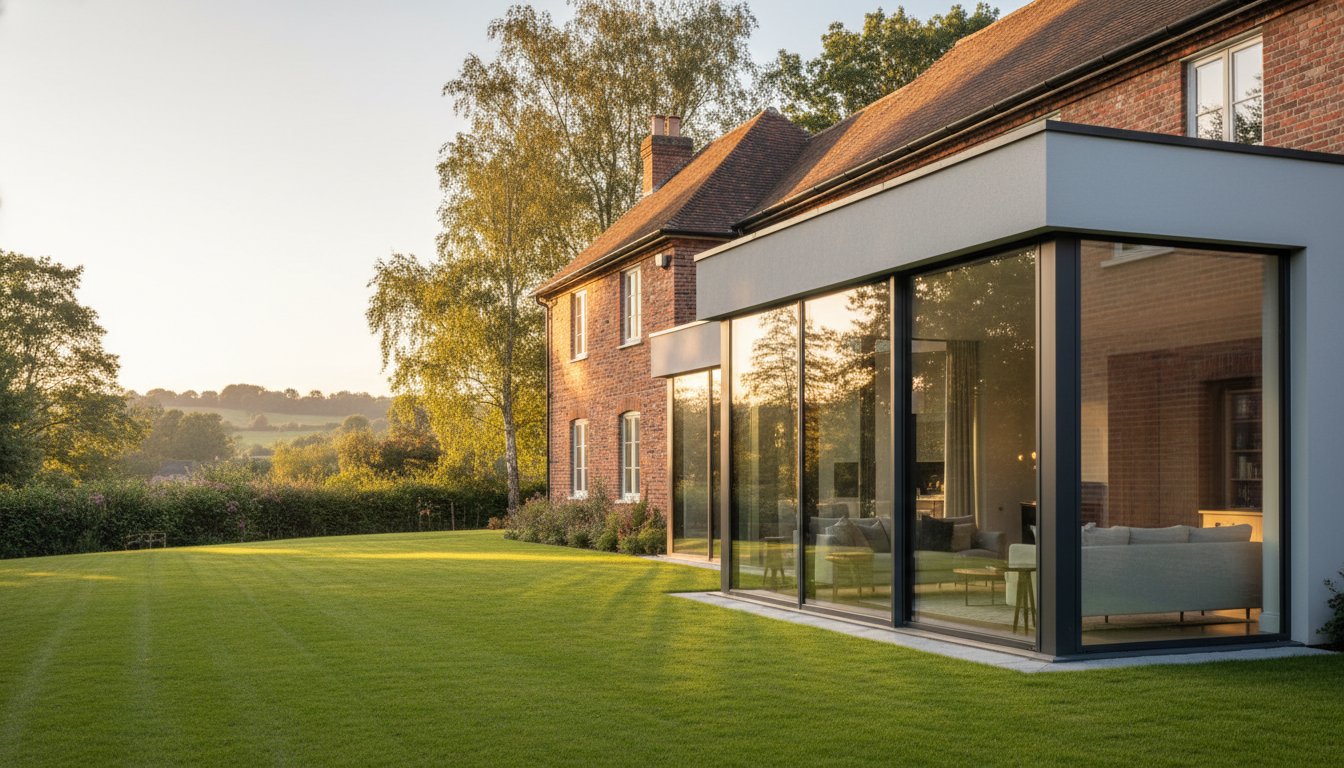
Could your windows be the hidden reason your heating bills remain stubbornly high? You aren't alone in feeling that traditional frames often fail to keep the warmth inside a large Cheshire property during a damp British winter. You likely want a home that feels open and bright, yet many homeowners still worry that choosing sleek metal frames means sacrificing thermal comfort for style. The high-performance energy efficient aluminium windows Cheshire properties are now being fitted with have changed that narrative entirely.
In this guide, you'll discover how to blend world-class thermal performance with architectural elegance to lower your energy costs. We'll explain the 2026 Building Regulations, including the 1.4 W/m²K U-value standard for replacement windows, and show you how to select profiles that enhance your home's value. You'll learn why modern aluminium is now the benchmark for energy efficiency, helping you reduce your carbon footprint whilst creating a warmer, more sophisticated living space.
Key Takeaways
- Learn how polyamide thermal breaks act as a robust barrier against the cold, keeping your living spaces warm whilst reducing your reliance on central heating.
- Discover why investing in energy efficient aluminium windows Cheshire is a proven way to enhance property value in sought-after areas such as Wilmslow and Alderley Edge.
- Compare the thirty-year lifespan of aluminium with traditional materials to understand why it remains the most cost-effective choice for maintaining a thermal seal.
- Identify the specific window styles and specifications that suit your home’s orientation, perfectly balancing natural light with heat retention.
- Understand why professional installation and precision perimeter sealing are essential for ensuring your high-performance windows achieve their full energy-saving potential.
Beyond Aesthetics: Why Energy Efficiency is Priority One for Cheshire Homes
For many homeowners in the "Golden Triangle" of Alderley Edge, Wilmslow, and Prestbury, the appeal of aluminium has traditionally been its slim, architectural profile. In 2026, the conversation has shifted. Whilst the aesthetic remains a significant draw, thermal performance has become the primary driver for property investment. Large detached residences in Cheshire often feature expansive glass areas that, if poorly specified, can become significant sources of heat loss. High-quality energy efficient aluminium windows Cheshire properties now require are designed to mitigate this, ensuring that grand designs don't lead to grand energy bills.
The move toward aluminium is also a move toward sustainability. Unlike uPVC, which can degrade and lose its structural integrity over time, aluminium is a circular material. It's infinitely recyclable and maintains its strength for decades. This durability ensures that the thermal seals remain intact, preventing the drafts that often plague older frames. In a market where buyers are increasingly savvy about Energy Performance Certificate (EPC) ratings, installing premium glazing is a direct way to protect and enhance your property valuation.
The Cheshire Climate and Your Glazing
Living on the Cheshire plains brings specific environmental challenges. Our winters are often characterised by damp, biting winds that test the limits of any building envelope. Traditional materials can struggle in these conditions; timber might swell whilst lower-grade frames may warp, leading to seal failure. Modern aluminium is different. It's inherently stable and resists the elements without the need for constant maintenance.
When you understand how insulated glass works within a thermally broken aluminium frame, you see how it creates a consistent internal microclimate. These windows act as a sophisticated barrier, keeping the biting winds of the Cheshire countryside out and the expensive heat from your radiators in. This results in a home that feels comfortable in every corner, regardless of the weather in Knutsford or Chester.
Future-Proofing Your Property Investment
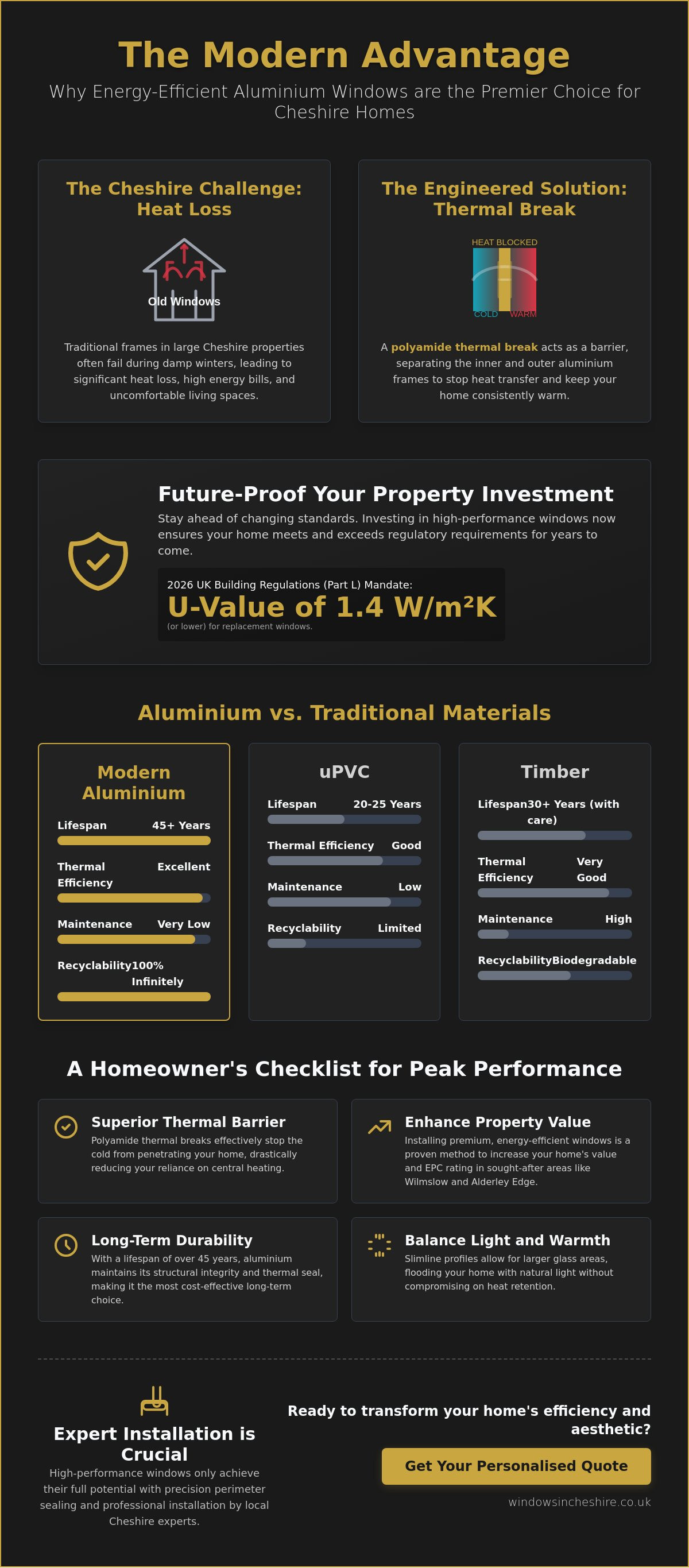
The regulatory landscape is tightening. As of 2026, Part L of the Building Regulations mandates a maximum U-value of 1.4 W/m²K for replacement windows. Investing in high-specification glazing now is a sensible way to future-proof your home against even stricter standards likely to arrive by the end of the decade. By reducing "thermal bridging" (the process where heat escapes through the window frame itself), you significantly lower the carbon footprint of your household.
Choosing the right specifications is about more than just meeting a minimum legal requirement. It's about long-term peace of mind. You can find more detailed advice on these changes in our 2026 homeowner’s guide to aluminium windows. Taking a proactive approach today ensures your home remains a warm, valuable, and efficient asset for years to come.
The Engineering of Efficiency: How Modern Aluminium Frames Prevent Heat Loss
Engineering excellence has transformed aluminium from a traditionally conductive metal into a thermal powerhouse. Old, cold frames are a thing of the past; today's energy efficient aluminium windows Cheshire installations rely on sophisticated internal structures to keep heat where it belongs. A thermal break is a non-conductive barrier between inner and outer frames. This barrier, typically made from high-performance polyamide, creates a physical disconnect that stops heat from travelling through the metal. By interrupting this path, your windows remain warm to the touch even when the temperature drops across the Cheshire plains.
Beyond the thermal break, modern frames utilise multi-chambered internal profiles. These tiny pockets of air act as additional insulation layers, trapping heat and preventing it from escaping. Because aluminium is inherently strong, it can support massive panes of glass with incredibly slim profiles. This structural integrity means fewer joins and seals are required compared to bulkier materials. Fewer joins result in fewer potential points for drafts to develop, ensuring your Knutsford home stays airtight and energy efficient for decades.
2026 Building Regulations and Thermal Standards
The 2026 update to Part L of the Building Regulations has set a new benchmark for domestic energy performance. For homeowners undertaking renovations or extensions, the maximum allowable U-value for replacement windows is now 1.4 W/m²K. This figure measures the rate of heat transfer; the lower the number, the better the window performs at retaining warmth. Whilst many standard products struggle to meet these tightened criteria, our premium aluminium range is engineered to exceed these legal minimums, providing a future-proof solution for your property.
High-Performance Glazing Options
The frame is only half of the story. To achieve world-class efficiency, the glass must be equally advanced. When selecting energy-efficient windows, you should consider the impact of triple glazing and solar-control coatings. Triple glazing adds a third pane and a second insulating cavity, which is particularly effective for large, north-facing elevations that receive little sun.
- Argon Gas Filling: We use Argon gas between the panes because it is denser than air, significantly slowing down heat conduction.
- Warm-Edge Spacer Bars: These replace traditional aluminium spacers with low-conductivity materials, preventing "cold spots" around the perimeter of the glass.
- Solar Control: This specialised coating reflects heat back into the room whilst blocking excessive solar gain during the summer months.
By combining these glazing technologies with our thermally broken frames, we ensure that every installation delivers a consistent, comfortable temperature throughout your home. If you are planning a project, you can request a technical consultation to see which specifications best suit your property's orientation.
Aluminium vs Traditional Materials: Comparing Performance in the Cheshire Region
Choosing the right material for your home is a balance between initial investment and long-term value. Whilst uPVC remains a common choice for its price point, its thermal efficiency often degrades as the material ages. Plastic frames are susceptible to thermal expansion and contraction. Over time, this repeated movement can cause frames to warp or "drop," compromising the airtight seal. This leads to the very drafts and heat loss that energy efficient aluminium windows Cheshire homeowners are trying to avoid.
Timber offers a classic look but demands rigorous maintenance to prevent rot and seal failure. For busy families in Wilmslow or Knutsford, the "fit and forget" nature of aluminium is a significant advantage. It provides the warmth of wood without the need for sanding or repainting. Aluminium is also an environmentally responsible choice. It's a circular material that can be recycled indefinitely without losing its quality, making it the preferred option for those looking to reduce their home's carbon footprint.
Thermal Longevity: The 30-Year View
The structural integrity of aluminium is what truly sets it apart from traditional materials. Its high strength-to-weight ratio allows it to hold heavy, high-performance glazing units without the frame distorting over time. This rigidity is essential for preventing the gaps that allow heat to escape. By installing our high-performance aluminium windows, you ensure your home remains draft-free for decades. It's a durable investment that outlasts uPVC, which typically requires replacement much sooner due to material fatigue.
Aesthetic Versatility without Energy Compromise
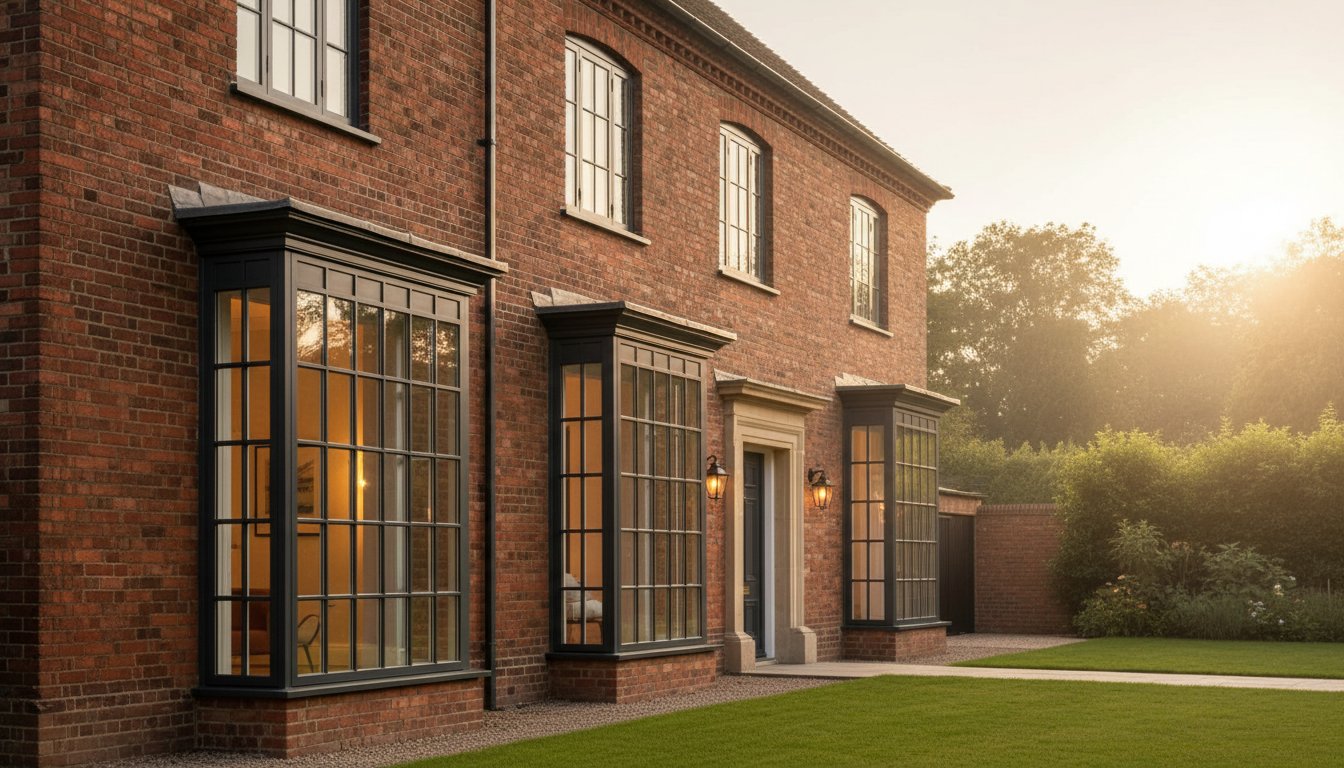
Modern engineering allows us to replicate historical styles with contemporary performance. Whether you are matching the red sandstone of a rural cottage or the period brickwork of a Chester townhouse, aluminium frames can be powder-coated in any colour to suit. This versatility includes our Heritage Windows and Steel Look Windows, which offer the iconic industrial aesthetic without the thermal compromise. Slim sightlines allow for larger glass units, which can actually improve passive solar heat gain. Every frame we install complies with the latest UK Building Regulations for energy efficiency, ensuring your project is as warm as it is beautiful.
A Homeowner’s Checklist: Selecting the Right Specifications for Your Property
Choosing the right specification for energy efficient aluminium windows Cheshire homes require is a precise science. It's not just about the frame; it's about how that frame interacts with your property's unique environment. Assessing your home’s orientation is a vital first step. South-facing rooms benefit from natural solar gain but may require solar-control glass to prevent overheating during the summer months. Conversely, north-facing elevations in exposed areas need the highest possible thermal retention to stay cosy. When selecting a style, consider both form and function. Casement windows offer a classic look that suits most local architecture, whilst tilt and turn styles are often preferred for upper floors where safe ventilation and easy cleaning are priorities.
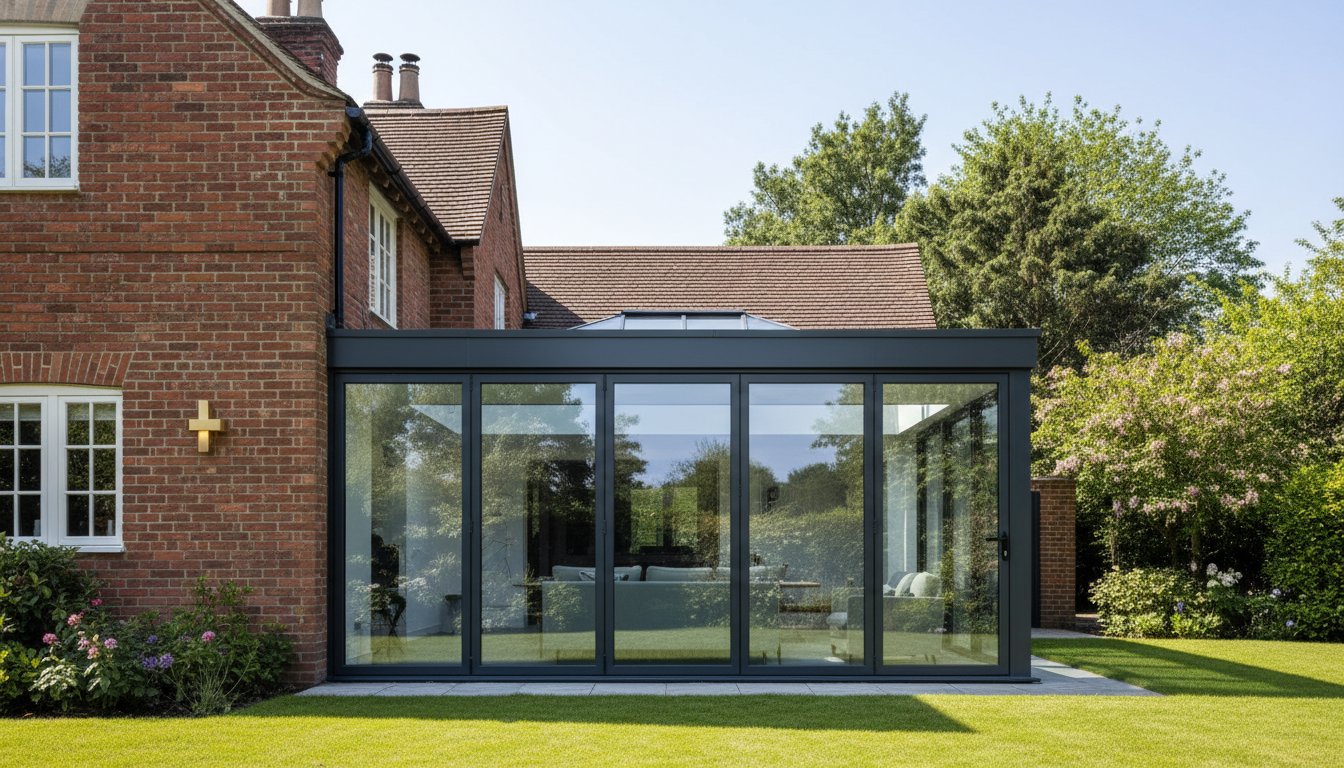
Integrating your windows with other architectural elements is essential for a cohesive thermal envelope. If you are planning a large-scale renovation, ensure your window profiles match your Bifold Doors or Sliding Doors. This consistency creates a seamless aesthetic and ensures that every aperture in your home meets the same rigorous energy standards. Professional, FENSA-certified installation is the final piece of the puzzle. Even the most advanced frame cannot perform if the perimeter sealing is sub-standard.
Matching Windows to Cheshire Property Types
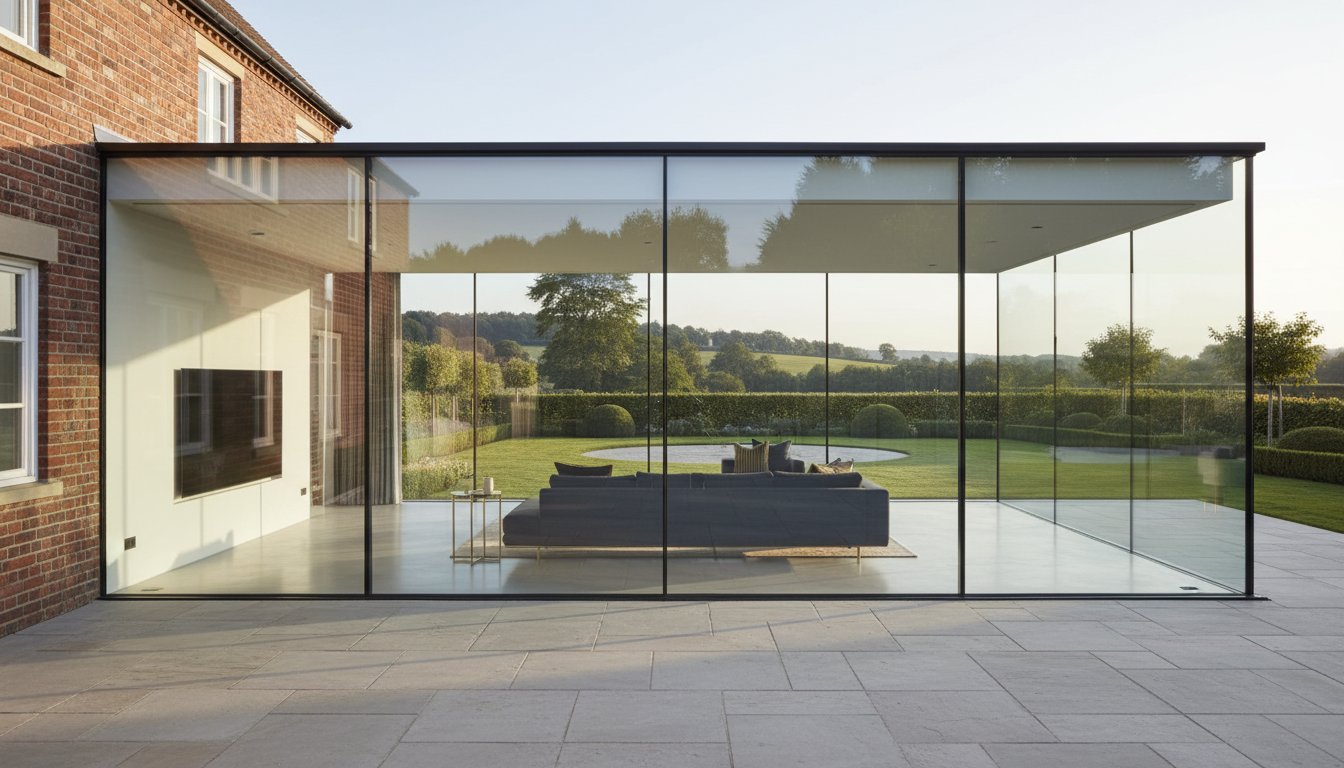
Every property era requires a different architectural approach. Victorian villas in Nantwich often have strict aesthetic requirements that make traditional replacements difficult. Our Heritage Windows provide the slim, iconic look of steel whilst delivering 2026-standard thermal performance. For modern architectural builds in Warrington, the focus shifts to maximising floor-to-ceiling glass. These projects require high-strength aluminium that can support massive panes without compromising the U-value. Barn conversions present a different challenge altogether. They often require bespoke shapes and specialised heritage sash styles that must maintain rigorous energy standards without losing the building's historical character.
The Final Specification Checklist
Before you finalise your project details, ensure your specification includes these essential performance features:
- Low-E Glass Coatings: Always specify Planitherm or similar Low-Emissivity glass. These coatings reflect heat back into your living space rather than letting it escape through the pane.
- Airtight Compression Seals: High-security multi-point locks do more than just protect your home. They pull the sash tightly against the frame to ensure a perfect, draft-free compression seal.
- Full Project Management: Verify that your installer provides a comprehensive service. This should include technical surveys and expert fitting to ensure the windows perform exactly as promised.
We pride ourselves on being modern local experts who understand the nuances of Cheshire property renovations. If you are ready to enhance your home's warmth and architectural appeal, request a quote today to begin your project consultation.
Expert Installation in Cheshire: Ensuring Your Windows Perform as Promised
The most advanced energy efficient aluminium windows Cheshire has to offer are only as effective as the hands that fit them. Even a frame with the lowest U-value will underperform if the perimeter sealing is sub-standard. Precision during the installation phase is what prevents thermal bridging at the edges of the aperture. Our teams focus on creating an airtight bond between the new aluminium frame and your property's structure, ensuring that the warmth you pay for stays exactly where it belongs. This technical rigour is what separates a simple window replacement from a true thermal upgrade.
Choosing Windows in Cheshire means opting for a comprehensive project management service. We don't believe in the "supply-only" model or quick-fix glass replacements; instead, we take full accountability for the performance of your new installation. From the initial technical survey to the final seal, our process is designed to be transparent and results-oriented. We understand that a window upgrade is a significant investment in your home's future, and we treat every project with the architectural respect it deserves.
Our Local Commitment
Being a specialist rooted in the heart of the county provides our clients with distinct advantages. We have nearby teams ready to serve homeowners in Chester, Wilmslow, and the surrounding villages. This proximity ensures that our aftercare and warranties are backed by a business that is physically present and accountable. Whether your property is an expansive residence in Alderley Edge, a period home in Sandbach, or a contemporary build in Knutsford, we understand the local architectural nuances and planning requirements.
We organise our installations to minimise disruption to your daily life. Our installers are trained to work efficiently whilst maintaining a clean and tidy site, respecting the sanctuary of your home. By choosing a local expert, you gain a partner that understands the Cheshire climate and the specific thermal challenges of the region's diverse housing stock.
Next Steps for Your Energy Upgrade
Starting your project is a straightforward, low-friction process. We embrace modern digital convenience, encouraging you to share project documents or photographs via instant messaging for a preliminary technical consultation. This allows us to provide expert guidance before we even set foot on your property. Once we move to the next stage, a specialist will conduct a detailed site survey and thermal assessment to ensure your chosen specifications perfectly match your home's orientation and structural needs.
If you are ready to transform your living space with world-class thermal performance and sleek architectural style, our team is here to guide you. Request a bespoke quote for your Cheshire home today and take the first step toward a warmer, more efficient future.
Secure a Warmer Future for Your Cheshire Home
Investing in your property's thermal envelope is a decision that pays dividends in comfort, aesthetics, and long-term value. You've seen how modern polyamide thermal breaks and high-performance glazing now exceed the 2026 Building Regulations, ensuring your home remains a sanctuary against the British weather. By choosing energy efficient aluminium windows Cheshire properties can maintain their architectural character whilst significantly reducing heat loss and carbon footprints.
As a FENSA Registered Installer with expert local teams across the county, we specialise in both heritage and architectural glazing. We understand the unique requirements of Cheshire's housing stock, from rural barn conversions to contemporary villas. Our consultative approach ensures your project is managed with technical precision from the first survey to the final seal. We look forward to helping you create a brighter, more efficient home that stands the test of time.
Upgrade your home with energy-efficient aluminium windows; request a quote today
Frequently Asked Questions
Are aluminium windows more energy efficient than uPVC in 2026?
Modern aluminium matches or exceeds uPVC thermal performance whilst offering superior seal longevity. High-performance energy efficient aluminium windows Cheshire homeowners choose today don't warp or degrade like plastic frames, meaning they stay airtight for over 30 years. This structural rigidity ensures that the energy-saving seals remain intact long after uPVC equivalents might have started to fail or drop.
What is the average U-value for energy efficient aluminium windows?
The standard U-value for replacement aluminium windows in 2026 is 1.4 W/m²K to comply with Part L of the Building Regulations. If you are working on a new-build property, the requirement is even stricter at 0.8 W/m²K. These figures represent a significant improvement over older glazing, which often had U-values of 3.0 or higher, leading to massive heat loss.
Can I get heritage-style aluminium windows that are still energy efficient?
You can absolutely achieve a traditional aesthetic without sacrificing warmth by using our Heritage Windows and Steel Look Windows. These profiles use the same advanced polyamide thermal breaks as our contemporary ranges. This allows you to maintain the iconic slim sightlines required for period properties in Chester or Knutsford whilst meeting modern thermal performance standards.
Do aluminium windows suffer from condensation or "cold frames"?
Modern aluminium frames do not suffer from the "cold frame" issues associated with older metal windows. The internal thermal break acts as a non-conductive barrier that ensures the inner frame stays at room temperature. This prevents the moisture build-up and condensation that used to occur when warm internal air hit a cold metal surface during a Cheshire winter.
How much can I save on my energy bills by upgrading to aluminium glazing?
Upgrading to energy efficient aluminium windows Cheshire is a proven way to lower your annual heating costs by reducing the energy required to maintain a comfortable temperature. Whilst exact savings depend on your property's insulation and size, improving your EPC rating is a primary driver for reducing consumption. It's a long-term investment that protects your household budget against rising energy prices.
Is triple glazing necessary for aluminium windows in Cheshire?
Triple glazing isn't a legal requirement for replacement windows, but it's an excellent choice for north-facing rooms or homes in exposed rural locations. It adds an extra insulating cavity and a third pane of glass, which can be particularly effective at dampening noise and further reducing heat transfer. We often recommend it for large architectural glazing projects where thermal retention is the priority.
Do I need planning permission to replace windows in a Cheshire conservation area?
You generally need planning permission or a certificate of lawfulness if your property is in a conservation area or subject to an Article 4 Direction. These rules are designed to protect the historical character of local villages and towns. We suggest checking with your local planning department in Cheshire West and Chester or Cheshire East before you finalise your window specifications.
How long does a professional aluminium window installation take?
A typical residential installation for an average-sized home usually takes between one and three days to complete. We provide a full project schedule during your technical consultation to ensure the work is organised and causes minimal disruption. Our local teams focus on precision fitting and perimeter sealing to ensure your new windows perform exactly as they were engineered to.