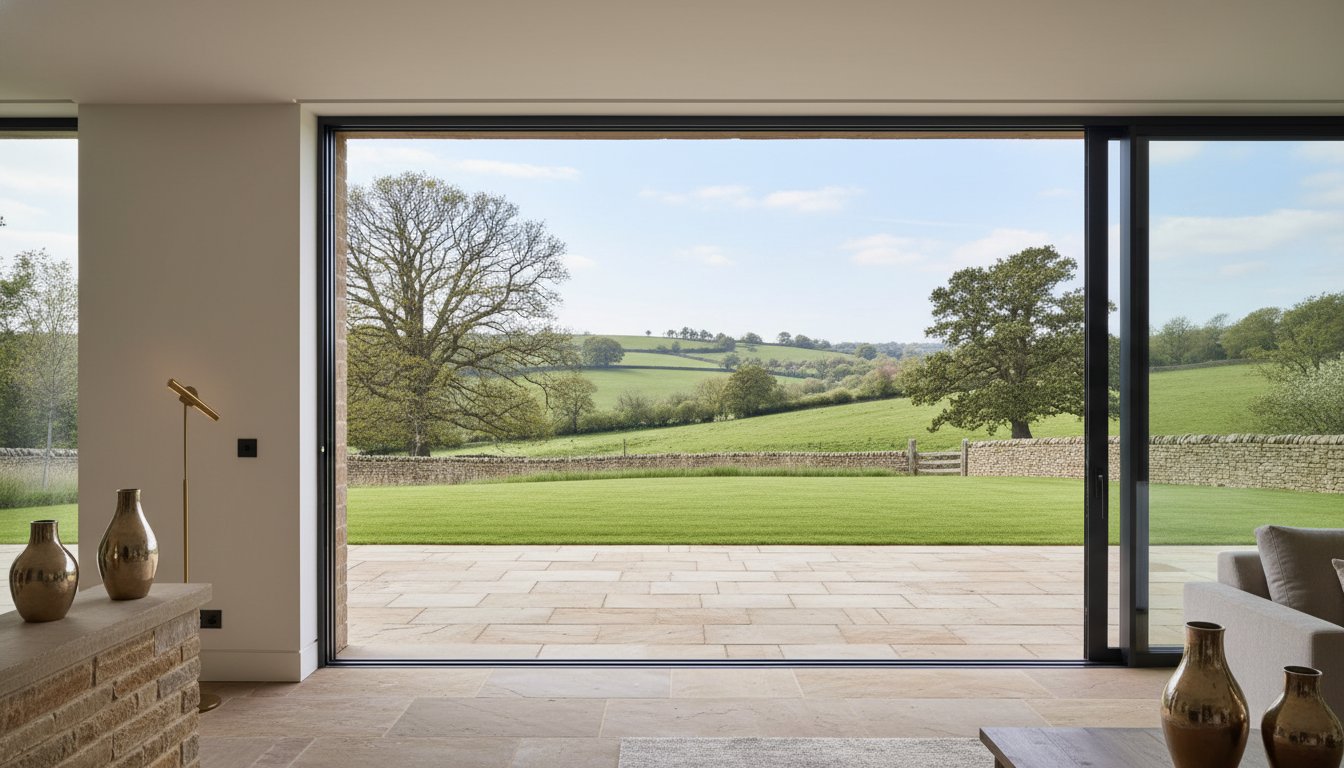
The popular bifold door might actually be the wrong choice for your home if your priority is a truly uninterrupted view of the Cheshire countryside. Whilst bifolds offer a wide opening, sliding glass doors provide a superior framed view with significantly fewer vertical obstructions to block the landscape. You likely want to create a seamless transition between your indoor and outdoor spaces, but you're probably navigating the confusion of technical terms like "lift and slide" or worrying if large glass areas can meet the strict 1.4 W/m²K thermal efficiency standards required for replacement doors in 2026.
We understand that choosing the right architectural feature is a significant investment, especially when balancing modern performance with heritage property aesthetics. This guide promises to clarify those technical hurdles and show you exactly how to maximise natural light while ensuring your home remains secure and warm. We will compare mechanisms, materials, and security benchmarks like PAS 24:2022 +A1 to help you make a confident decision that increases your property value before the Future Homes Standard transition begins in March 2027.
Key Takeaways
- Discover why sliding glass doors offer superior, uninterrupted views of the Cheshire landscape compared to the multiple vertical frames found in bifold systems.
- Master technical terms like "Lift and Slide" to understand how specific mechanisms provide enhanced weather-tight seals and effortless operation for large glass spans.
- Navigate the latest 2026 building regulations with ease by identifying the thermal performance and U-values required to keep your home energy-efficient and warm.
- Prioritise your home’s safety by looking for PAS 24:2022 security certification and advanced multi-point locking systems as standard features on all new installations.
- Learn how professional local project management ensures a millimetre-perfect fit, protecting your investment and adding long-term value to your property.
Sliding Glass Doors vs Bifold Doors: Which Suits Your Home?
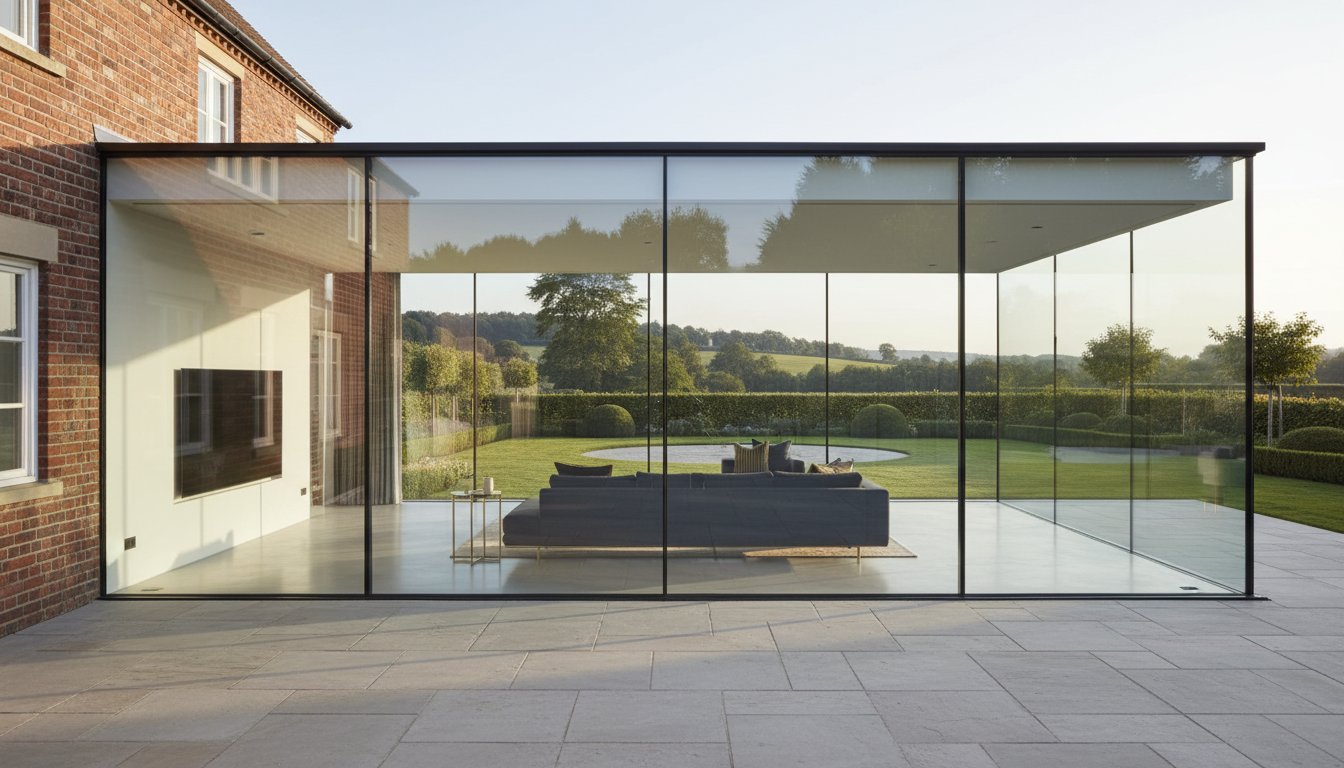
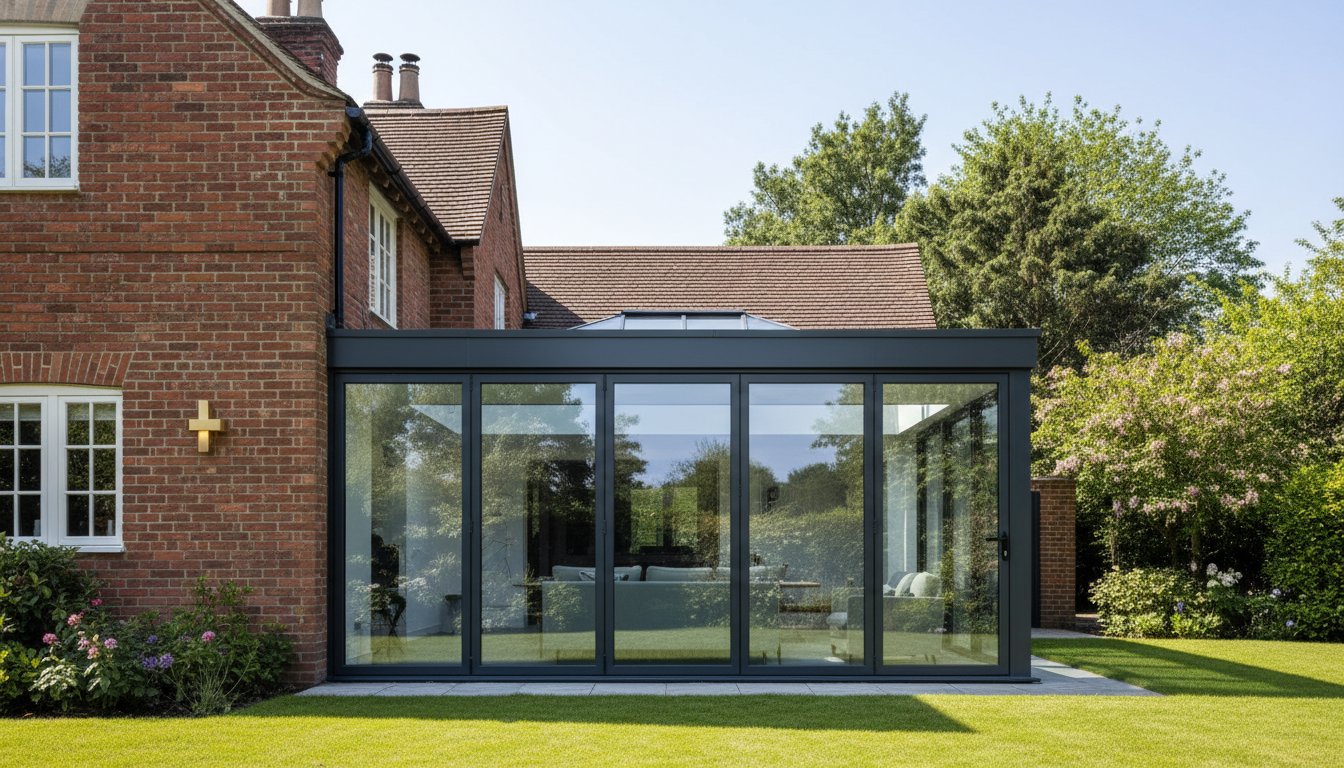
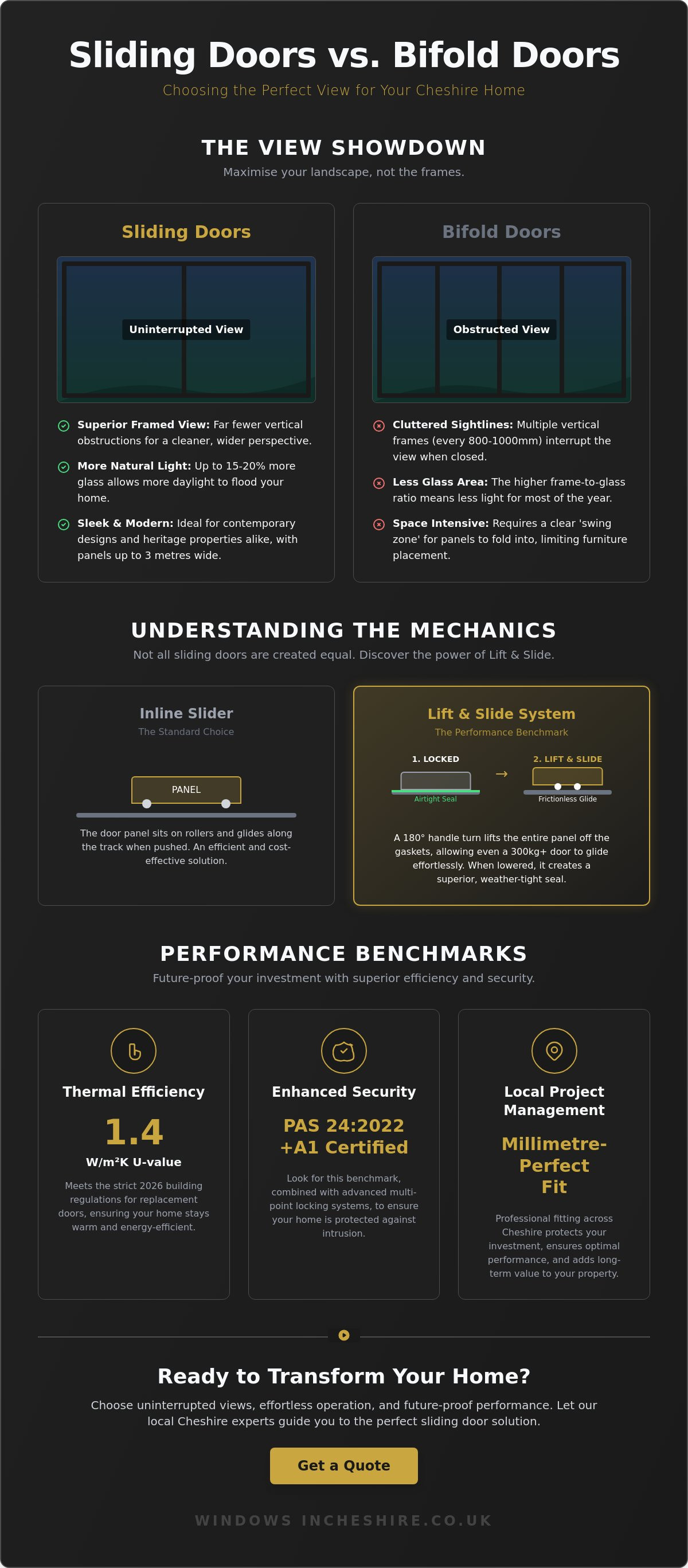
Choosing between these two styles is more than just a matter of taste; it’s about how you interact with your garden and how much light you want in your kitchen or lounge. A sliding glass door operates on a track where panels glide behind one another, whereas bifold doors use a concertina mechanism to stack panels against a wall. While bifolds are famous for providing a 90% clear opening, this feature is often only used during the warmest summer months. For the remaining 300 days of the year, sliding glass doors offer a distinct advantage by providing a "framed view" of your surroundings with far fewer vertical pillars to obstruct your sightline.
Space efficiency is another critical factor. Because sliding panels remain within their own track, they are the perfect solution for smaller patios, balconies, or rooms where furniture is placed close to the glass. You don't need to leave a "swing zone" clear for panels to fold into, giving you more freedom to organise your living space exactly how you like. This practical benefit makes them a favourite for homeowners who want to maximise every square inch of their floor plan.
The Aesthetic Impact on Your Living Space
When you evaluate different styles, consider the sightlines. Bifold doors typically have a vertical frame every 800mm to 1000mm, which can feel cluttered when closed. In contrast, modern aluminium sliding doors can support massive panes of glass up to three metres wide. This significantly increases the glass-to-frame ratio, allowing roughly 15% to 20% more natural light to flood your home compared to traditional folding systems. This sleek profile works beautifully in both ultra-modern extensions and heritage properties where you want to maintain a classic, clean look without the "busy" appearance of multiple folding panels.
Practicality and Daily Use
Think about your daily habits. If you frequently nip out to the garden to let the dog out or empty the bins, a sliding system is incredibly practical. You can open it just a few inches or a few feet with a single, effortless movement. Bifolds often require a specific "traffic door" to be unlatched first, which can feel restrictive. Achieving a seamless, flush floor finish is also often simpler with sliding tracks. This creates that desirable level threshold between your kitchen and patio, reducing trip hazards and making the transition between indoors and outdoors feel truly integrated. Our local teams across Cheshire focus on these precision details to ensure your installation is both stunning and functional.
Understanding the Mechanics: Inline Sliders vs Lift and Slide Systems
When selecting sliding glass doors, the mechanism you choose dictates how the system performs against the elements and how easily it moves. Most homeowners are familiar with the classic inline slider. In this setup, the door sash sits on rollers and glides along the track when pushed. It’s an efficient, cost-effective solution for standard sizes. However, for those looking to create expansive glass walls that define a "grand design" aesthetic, the lift and slide system is the industry benchmark for performance.
A Lift and Slide is a mechanism that drops the door onto the track for a weather-tight seal. By using a 180-degree handle rotation, the entire door panel is lifted off the gaskets before it begins to move. This clever engineering reduces friction to almost zero. Even if your design includes heavy triple-glazed panels weighing over 300kg, you can often move them with just one finger. This ease of operation is essential for maintaining high accessibility standards for doors, ensuring that every family member can operate the system safely and comfortably.
How Lift and Slide Technology Works
The internal gear system is the heart of this technology. When the door is in the "down" position, its full weight compresses the weather seals, creating an airtight barrier that is incredibly difficult to compromise. This makes the system exceptionally resilient in exposed Cheshire locations where wind and driving rain are frequent. From a security perspective, a door that "sits down" into its frame is much harder for an intruder to jemmy or lift out of the track, providing a robust layer of protection for your home.
Choosing the Right Track Configuration
Your choice of track determines how much of your wall can actually disappear. Different configurations offer varying levels of flexibility for your home layout:
- Twin tracks: Ideal for two-panel systems where one pane glides behind a fixed one.
- Triple tracks: Perfect for three-pane systems to open up two-thirds of the total width.
- Pocket tracks: The ultimate solution for hiding sliding glass doors entirely inside a wall cavity.
Regardless of the configuration, our technical team ensures precision drainage solutions are integrated into every project. These systems manage water runoff during heavy storms, keeping your interior floor dry whilst maintaining a sleek, low-profile threshold. If you’re ready to see how these systems could work in your specific floor plan, you can request a consultation with our local experts.
Material Matters: Aluminium vs uPVC and Heritage Styles
Selecting the right material for your sliding glass doors is a decision that impacts both the longevity of the installation and the daily comfort of your home. In the current 2026 market, aluminium has firmly established itself as the gold standard for homeowners seeking slim sightlines and structural integrity. Its inherent strength allows for much larger glass spans than other materials, which is essential if you want to capture wide views of the Cheshire landscape. Whilst uPVC remains a practical and cost-effective choice for standard-sized renovations, it can't match the ultra-slim profiles that aluminium provides.
Colour choice has also evolved. While white uPVC was once the default, we now see a significant shift towards sophisticated finishes. Anthracite Grey remains a favourite for modern extensions, but bespoke RAL colours allow you to match your doors to existing architectural features or interior decor. These powder-coated finishes are designed to be low-maintenance and durable, resisting the fading or peeling often associated with older door systems.
Why Aluminium Dominates the Sliding Door Market
The primary reason aluminium is the preferred material for large-scale glazing is its exceptional strength-to-weight ratio. This allows our technical team to specify frames that are narrow enough to disappear into the background whilst supporting triple-glazed units that can weigh several hundred kilograms. Modern aluminium systems utilise advanced thermal break technology to achieve impressive energy performance ratings, ensuring your home remains comfortable throughout the damp Cheshire winter. For a completely integrated aesthetic, many clients choose to pair their new doors with Premium Aluminium Windows to create a consistent look across the entire property.
Heritage and Steel-Look Sliding Doors
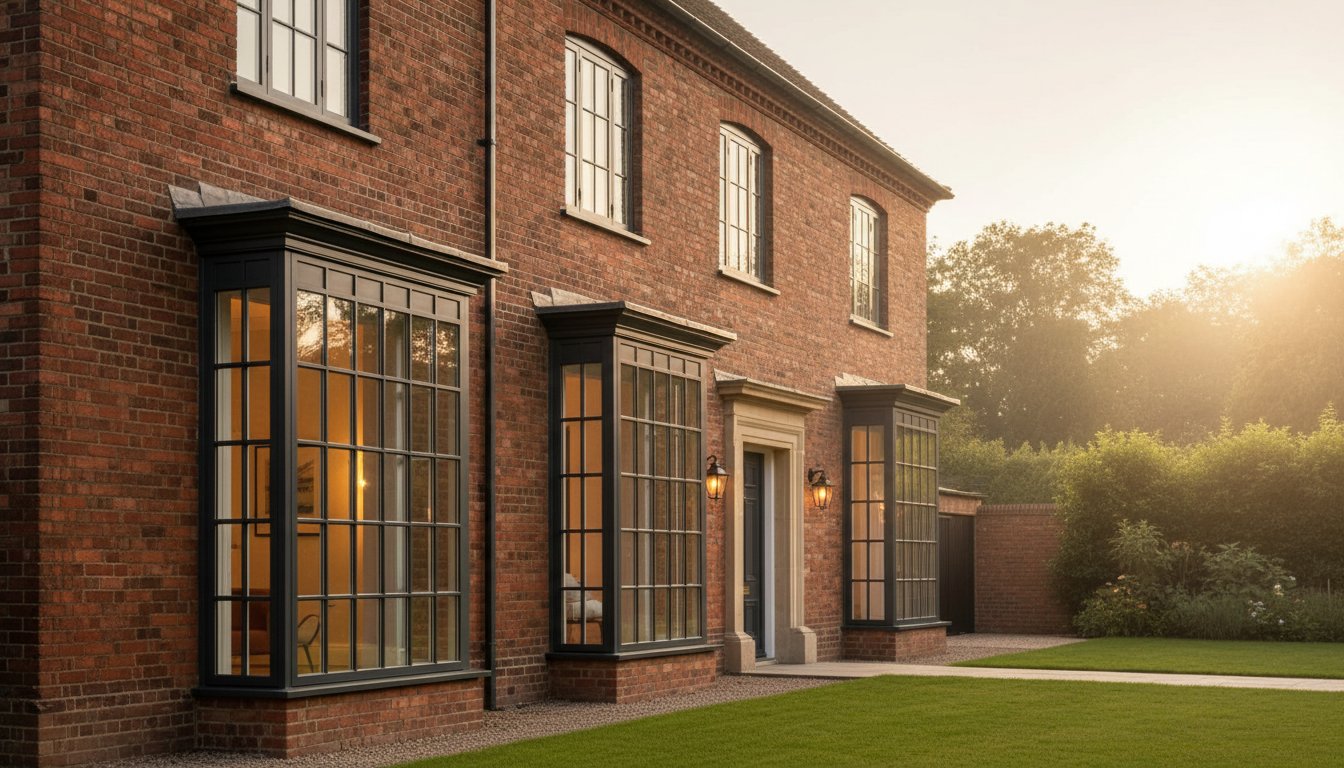
Many competitors suggest that sliding systems only suit contemporary homes, but this ignores the growing demand for the "Heritage Look" in period properties. By applying horizontal glazing bars, known as astragal bars, we can achieve a stunning industrial or "Crittall-style" aesthetic. This style is particularly effective for homes in Knutsford and Wilmslow, where owners want to respect the heritage of their property whilst enjoying the benefits of modern performance.
You can use these heritage sliders as external doors to open up a garden room or as internal partitions to create a seamless flow between a kitchen and a dining area. This design language works best when coordinated with Steel Look Windows, ensuring that the industrial charm is maintained throughout the home’s exterior. It’s a sophisticated way to bridge the gap between traditional craftsmanship and 21st-century thermal efficiency.
Maximising Performance: Thermal Efficiency, Security, and Weather Rating
The UK climate, specifically the persistent driving rain and gusty winds of the North West, demands a higher standard of weatherproofing than generic online guides often suggest. When you invest in sliding glass doors, you aren't just buying a view; you're buying a high-performance thermal and security envelope for your home. Performance is measured through rigorous weather testing that simulates extreme wind speeds and water pressure, ensuring your living room remains bone-dry even during a typical Cheshire downpour. Our systems are engineered to withstand these specific local conditions whilst maintaining their effortless glide.
Understanding U-values is the first step in evaluating how your new doors will impact your energy bills. A U-value measures the rate of heat transfer; essentially, the lower the number, the better the insulation. For replacement doors in existing dwellings, the current limiting U-value is 1.4 W/m²K as of 2026. However, with the Future Homes Standard transition period beginning in March 2027, many homeowners are already opting for systems that achieve 1.0 W/m²K or lower. This proactive approach future-proofs your property and ensures a noticeably warmer home during the winter months.
Energy Efficiency and Glass Coatings
Modern glazing uses sophisticated coatings that are invisible to the eye but vital for daily comfort. Low-Emissivity (Low-E) coatings reflect heat back into your room whilst allowing natural light to enter. If your extension is south-facing, solar control glass is a sensible addition to prevent the space from becoming an unusable greenhouse by filtering out a percentage of the sun's infrared radiation. For properties located near busy Cheshire A-roads or rail links, acoustic glazing can reduce external noise by up to 40 decibels, creating a peaceful sanctuary regardless of what's happening outside.
Security Features for Peace of Mind
Security is a primary concern for any homeowner installing large glass areas. You should always look for the PAS 24:2022 +A1 certification, which is the industry benchmark for enhanced security performance. High-quality sliding glass doors include several integrated features to deter intruders:
- Anti-lift blocks: These prevent the door sash from being levered upwards and out of the track.
- Multi-point locks: These engage at several points along the frame for maximum resistance.
- High-security cylinders: These are specifically tested against snapping, drilling, and picking techniques.
We also recommend considering the type of glass used. Whilst toughened glass is standard for safety, laminated glass provides an extra layer of security because it remains in place even if shattered. Protecting your investment requires more than just good hardware; it requires precision fitting. Professional installation is the only way to ensure that these security features align perfectly and function as intended. If you want to ensure your home meets these rigorous standards, contact our expert team to discuss your project requirements.
Planning Your Installation: Professional Fitting Across Cheshire
While some online retailers suggest that installing sliding glass doors is a simple weekend task for a DIY enthusiast, the reality of high-end glazing is far more complex. These systems often feature triple-glazed panels weighing upwards of 300kg, requiring specialised suction equipment and a "safe pair of hands" to ensure a flawless operation. Professional project management is essential because even a minor misalignment of the track can compromise the thermal performance and security standards we discussed in previous sections.
The journey begins with a technical survey. Our surveyors focus on achieving a millimetre-perfect fit, which is the only way to ensure the long-term durability of the rollers and seals. During this stage, we also evaluate structural requirements. If you're widening an existing opening to accommodate larger panes, you may need a new lintel or a reinforced steel beam to support the masonry above. We coordinate these technical details to ensure your project remains compliant with UK Building Regulations, including the 1.4 W/m²K U-value limit currently in place for replacement doors as of May 2026.
The Windows in Cheshire Installation Process
Our approach is designed to be consultative and stress-free. From the initial design consultation to the final expert fitting, our local teams operate across the county, handling site logistics in areas like Alderley Edge, Wilmslow, and Nantwich with precision. We understand that home renovations can be overwhelming; that's why we offer a "WhatsApp for plans" service. This allows you to send over your initial architectural drawings for a quick technical review, giving you early confidence in the feasibility of your sliding glass doors project. Every installation is backed by FENSA certification, providing you with the necessary legal documentation for any future property sale.
Ready to Transform Your Home?
Choosing the right door system is about balancing your desire for uninterrupted views with the practical realities of thermal efficiency and security. Whether you're looking for the slim sightlines of aluminium or the industrial charm of a heritage-style slider, the right choice will fundamentally change how you experience your home and the Cheshire countryside beyond. We're here to act as your partners in this transformation, ensuring your investment adds genuine value to your property before the more stringent Future Homes Standard transition begins in March 2027.
To take the next step, you can request a professional quote and site survey for your Cheshire home. If you're still exploring your design options, explore our full range of Aluminium solutions to see how we can help you open up your home.
Open Up Your Home to the Cheshire Countryside
Choosing the right architectural feature for your property is about more than just aesthetics; it's about how you interact with your environment. As we've explored, sliding glass doors provide a superior glass-to-frame ratio, offering roughly 20% more natural light than traditional bifolding systems. By prioritising high-performance aluminium and lift-and-slide mechanics, you ensure your home remains thermally efficient and effortless to operate for years to come.
Our local teams are specialists in both modern and heritage styles, providing expert installation services across the county. We're FENSA registered, meaning every project we undertake meets the latest 2026 building regulations for your peace of mind. We're here to act as a safe pair of hands for your investment, from the initial technical survey to the final, millimetre-perfect fit.
View our range of premium sliding glass doors and request a quote today to begin your home's transformation. We look forward to helping you create a stunning, seamless transition between your indoor and outdoor living spaces.
Frequently Asked Questions
Do sliding glass doors need planning permission?
Most installations fall under Permitted Development Rights, meaning you don't need planning permission for simple replacements or modest extensions. However, if you live in a Conservation Area or a Listed Building, you must seek consent from your local authority, such as Cheshire East Council. These protections ensure that any changes remain sympathetic to the architectural heritage of the local area.
Which are more secure: bifold or sliding doors?
Both systems provide excellent protection provided they carry the PAS 24:2022 +A1 certification. Sliding glass doors often have a slight edge in security because the panels are trapped within a continuous track, making them nearly impossible to lever out. Our systems use anti-lift blocks and multi-point locks to ensure the doors remain a robust barrier against unauthorised entry.
Can I have a flush threshold with sliding doors to avoid trip hazards?
Yes, a completely level transition between your interior and exterior floor is achievable with a recessed track. This setup requires early coordination with your builder to install a dedicated drainage channel, like an ACO drain, on the outside. This prevents water ingress during the heavy rain common in the North West whilst providing a seamless, accessible walkway.
What is the maximum size for a single pane of a sliding glass door?
High-performance aluminium frames can support single glass panes up to 3 metres wide and 3 metres high. These expansive dimensions are what allow sliding glass doors to offer those sought-after uninterrupted views of your garden. The final size usually depends on the wind load of your specific site and the weight of the glass, which can reach 400kg for triple-glazed units.
Are sliding glass doors energy efficient enough for a cold winter?
Modern systems are engineered to exceed the current 1.4 W/m²K U-value requirement for replacement doors in existing dwellings. By utilising thermal breaks and Low-E glass coatings, they effectively trap heat inside your home. Many of our systems already meet the 1.0 W/m²K standard that will be introduced with the Future Homes Standard in March 2027.
How do I clean and maintain the tracks of my sliding doors?
Maintenance involves vacuuming the tracks once a month to remove grit, pet hair, or debris that could damage the rollers. You should also wipe the aluminium frames with a soft cloth and warm, soapy water to keep the finish looking new. Applying a silicone-based lubricant to the track every 6 months ensures the mechanism continues to glide with a single-finger touch.
What is the difference between double and triple glazing for patio doors?
Double glazing is the standard choice for most renovations, providing a good balance of heat retention and light. Triple glazing adds a third pane of glass, which improves the U-value from roughly 1.2 down to 0.8. Whilst it's a heavier and more significant investment, triple glazing is the best option for acoustic insulation if you live near a busy road or have a north-facing room that lacks natural solar warmth.