Did you know that failing to secure the correct consent for new windows in one of the 76 conservation areas across Cheshire East can result in an enforcement notice that remains on your property's legal record indefinitely? It's understandable why so many residents feel overwhelmed when trying to distinguish between Permitted Development rights and full Planning Permission. Whether you're dealing with the specific nuances of Cheshire East or West councils, the fear of facing a fine or a blocked property sale is a significant burden for any homeowner. You want to maximise light and open up your home, but the technical red tape often feels like a barrier to progress.
This Planning permission guide for Cheshire homeowners provides the expert architectural insight you need to navigate local regulations with confidence. We promise to clarify the legal requirements for your project so you can upgrade to heritage or slimline aluminium windows without the risk of non-compliance. We will examine the latest 2026 standards for local councils, providing a clear roadmap to ensure your home improvement is durable, practical, and legally sound for years to come.
Key Takeaways
- Understand the 2026 Permitted Development rights to determine if your window or door replacement qualifies for a straightforward upgrade without full planning consent.
- Identify the specific triggers that require formal approval when installing modern bifold doors or changing frame materials to ensure a seamless home transformation.
- Navigate the complexities of Article 4 Directions in areas like Knutsford and Wilmslow with our comprehensive planning permission guide for Cheshire homeowners.
- Master the Cheshire planning application process, from using the national Planning Portal to choosing between a Lawful Development Certificate and a Full Planning Application.
- Learn how to balance high-end "steel-look" aesthetics with local conservation requirements through our expert consultative approach to architectural glazing.
Planning Permission vs. Permitted Development in Cheshire
Understanding the difference between Permitted Development (PD) and full planning permission is the first step for any project. Most window and door upgrades in 2026 fall under PD rights, which means you don't need to submit a formal application to your local council. This system was designed to simplify minor improvements, provided the work doesn't significantly alter the building's character. The UK planning permission system provides the legal framework for these rules, ensuring that while you have the freedom to improve your home, the local aesthetic remains protected.
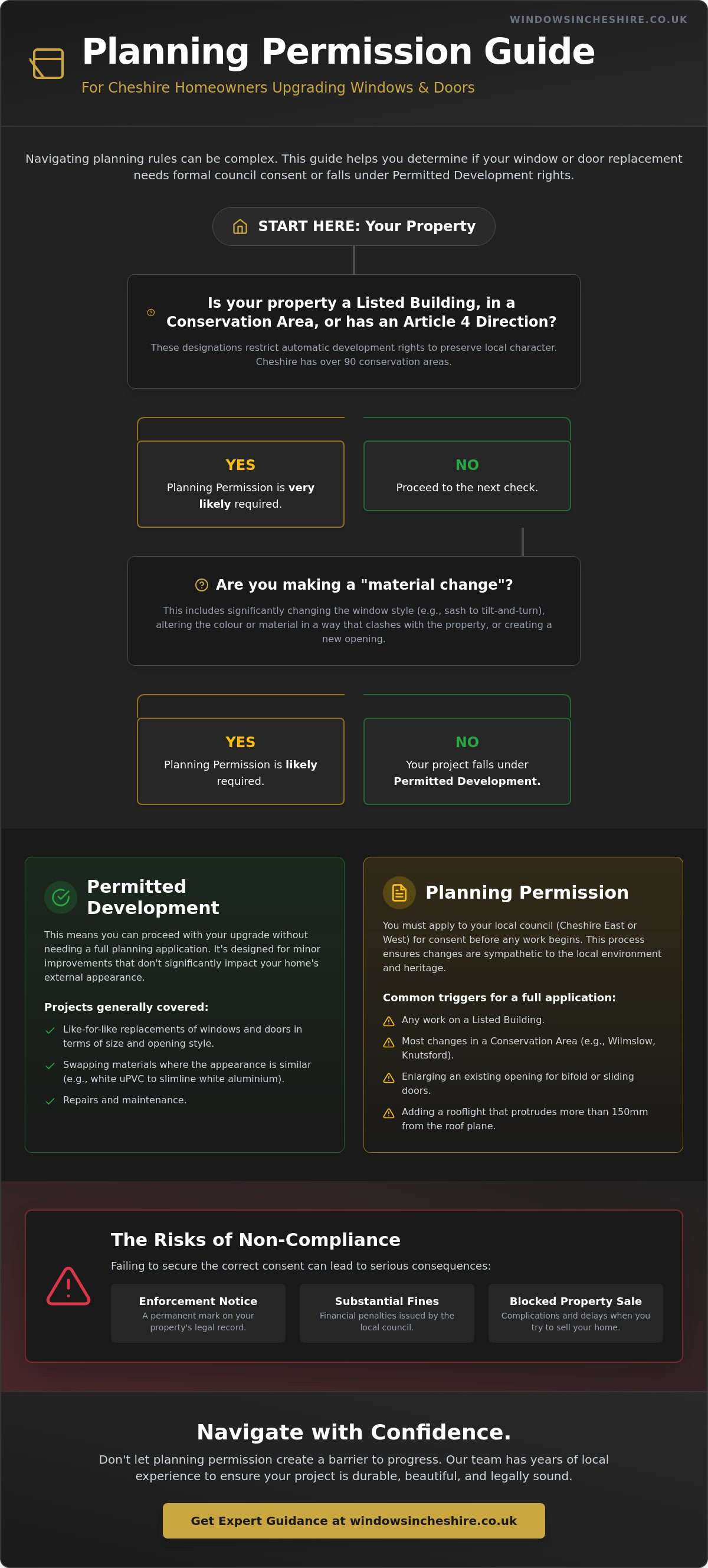
For standard residential zones across the county, replacing dated frames with high-performance alternatives is usually straightforward. However, you must be aware of certain triggers that remove these automatic rights. If your property is a listed building or situated within one of Cheshire’s 96 conservation areas, PD rights are often restricted. In these cases, you'll likely need to consult your Local Planning Authority (LPA) before starting work. This planning permission guide for Cheshire homeowners aims to simplify these nuances so you can move forward with confidence.
Understanding Your Local Authority
Your specific location determines which council handles your queries. Homeowners in Crewe, Nantwich, or Macclesfield fall under Cheshire East Council, while those in Chester, Northwich, or Warrington deal with Cheshire West and Chester Council. Each authority follows its own "Local Plan." For example, the Cheshire West and Chester Local Plan (Part Two), adopted in July 2019, contains specific policies regarding design quality and heritage assets. It's also vital to check the original planning consent for your estate. Some modern housing developments built within the last 15 years have "Article 4 Directions" that specifically remove PD rights to maintain a uniform look across the street.
The "Material Change" Rule
The term "material change" refers to any alteration that significantly affects the external appearance of a property. If you're swapping white uPVC for slimline aluminium frames in a similar colour, planners generally don't view this as a material change. Planners often favour slimline profiles because they maximise light and offer a more refined, less bulky aesthetic than older systems. If you're planning a like-for-like replacement in terms of opening style and colour, you're usually on safe ground. Problems only tend to arise when a homeowner attempts to install a radically different architectural style, such as putting modern tilt-and-turn windows into a traditional cottage. If you're unsure about your specific designs, you can request a quote and our team can help clarify the requirements for your specific Cheshire postcode. This planning permission guide for Cheshire homeowners is built on years of local experience, helping you navigate these rules without the stress of "analysis paralysis."
Upgrading Windows and Doors: When Do You Need Consent?
Most window and door replacements fall under "Permitted Development" rights. This means you won't usually need to submit a full application to your local council. However, this planning permission guide for Cheshire homeowners highlights that rules change significantly if you live in a Conservation Area or a listed building. If you're swapping old frames for new ones of a similar style, you're generally in the clear. Issues typically arise when you change the size of the opening or choose materials that clash with the local character.
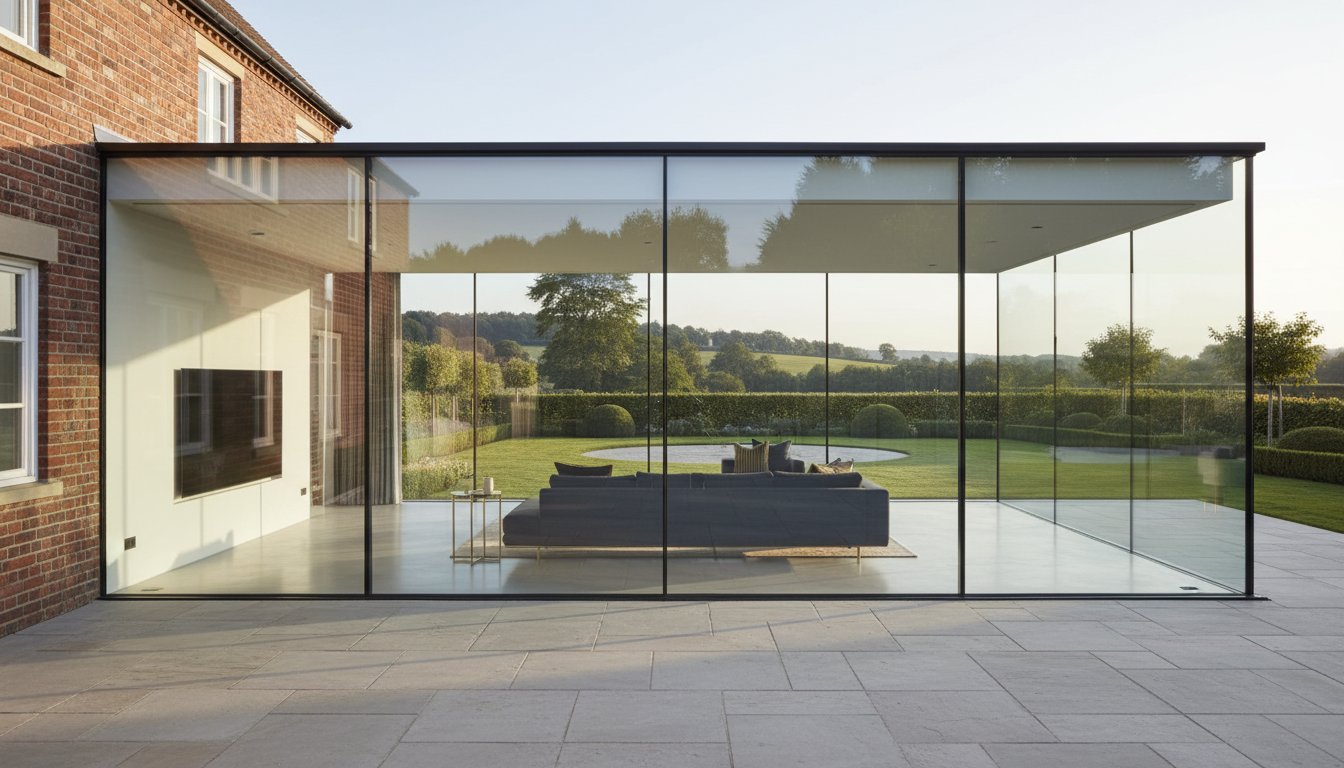
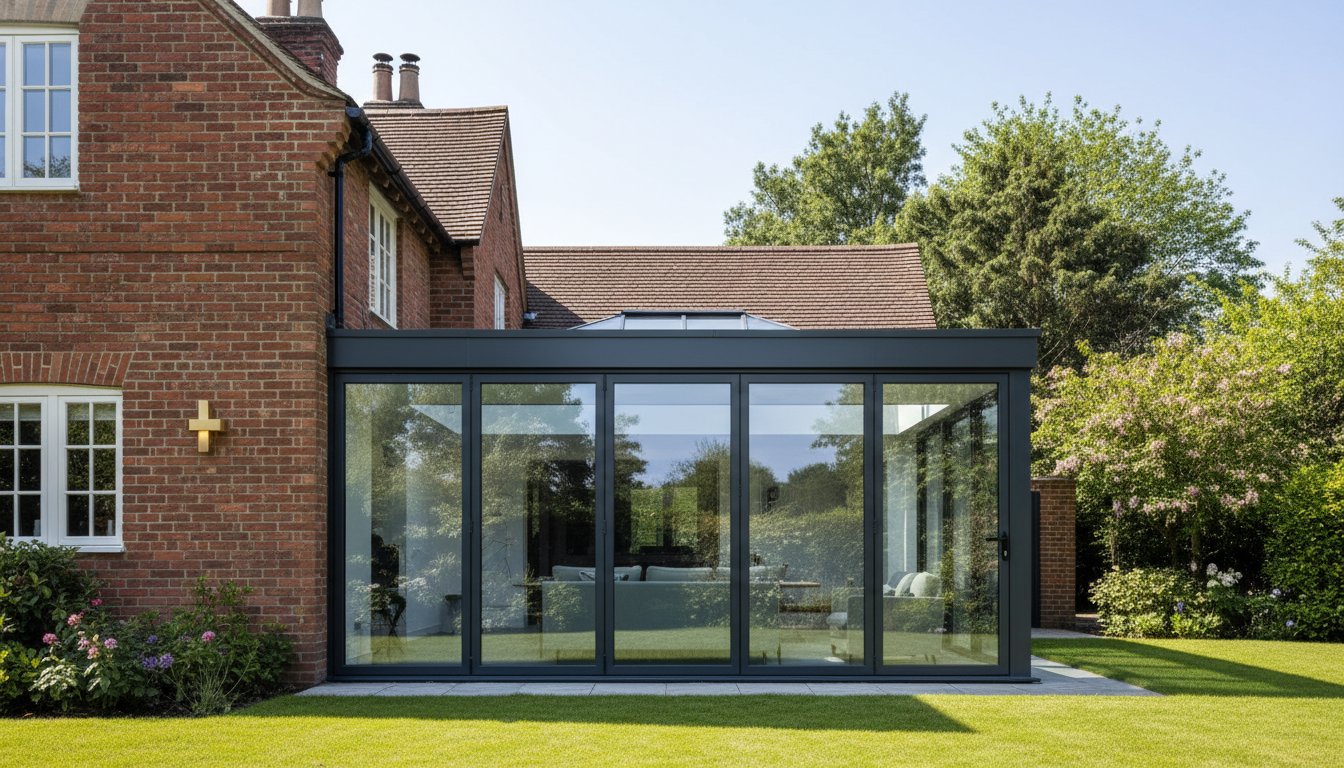
Installing bifold or sliding doors isn't classed as an extension, but it does count as a material alteration. If you're enlarging an existing window aperture to fit a three-metre wide sliding door, you'll need to focus on structural integrity. You can find more detail on these specific distinctions in the Official government planning permission guide. For those adding flat roof lights or lanterns to a single-storey extension, the glazing must not protrude more than 150mm from the roof plane to stay within permitted limits.
Bifold and Sliding Door Regulations
Homeowners in areas like Sandbach and Runcorn often choose premium aluminium windows and doors to modernise their properties. While aluminium is durable and slimline, you should ensure the frame colour complements the existing street scene. Structural safety is the main priority for these installations. Any new, wider opening requires a calculated lintel to ensure the masonry above is properly supported. Our local teams often work alongside structural engineers to ensure every installation is safe and compliant.
Energy Efficiency and FENSA
The 2026 thermal performance standards are stricter than previous years. Every new glazing unit must meet specific U-values to minimise heat loss and reduce energy bills. FENSA certification is essential here. It acts as a bridge between the homeowner and the local authority, proving that your installation complies with Building Regulations without the need for a separate planning application.
For those looking to integrate these upgrades into a broader energy-saving plan, specialists like Madison May Consulting Ltd provide expert consultancy on property energy efficiency to ensure your home meets the highest performance standards.
"Heritage" styles have become the default choice for many Cheshire renovations. These frames offer the timeless look of traditional steel or timber but provide the high-performance insulation of modern aluminium. This balance keeps your home warm whilst satisfying the aesthetic requirements of more sensitive neighbourhoods. If you're currently sketching out a project, request a quote from our technical team to see how these modern standards fit your budget.
Navigating Cheshire’s Conservation Areas and Article 4 Directions
Cheshire contains over 200 designated Conservation Areas. These zones protect the architectural integrity of towns like Knutsford and Wilmslow, ensuring that new developments don't erode the county's historic character. If you live in these areas, your standard Permitted Development rights are often restricted by Article 4 Directions. This legal tool allows local authorities to require a full planning application for minor changes that would usually be exempt, such as replacing a front door or changing window frames. It’s a vital part of any planning permission guide for Cheshire homeowners to understand these local nuances before starting work.
Conservation status places strict limits on your choice of materials and colours. In many parts of Cheshire, you'll find that vibrant or modern palettes are rejected in favour of traditional tones that blend with the existing streetscape. The goal is a "Heritage" look. This requirement forces a balance between 2026 thermal performance standards and 19th-century aesthetics. For those in Chester City Centre, the rules are even tighter. Grade I and Grade II listed buildings require specific Listed Building Consent for almost any alteration. This ensures that the historic fabric of the city remains intact, right down to the thickness of the glazing bars.
Conservation Area Focus: Wilmslow and Alderley Edge
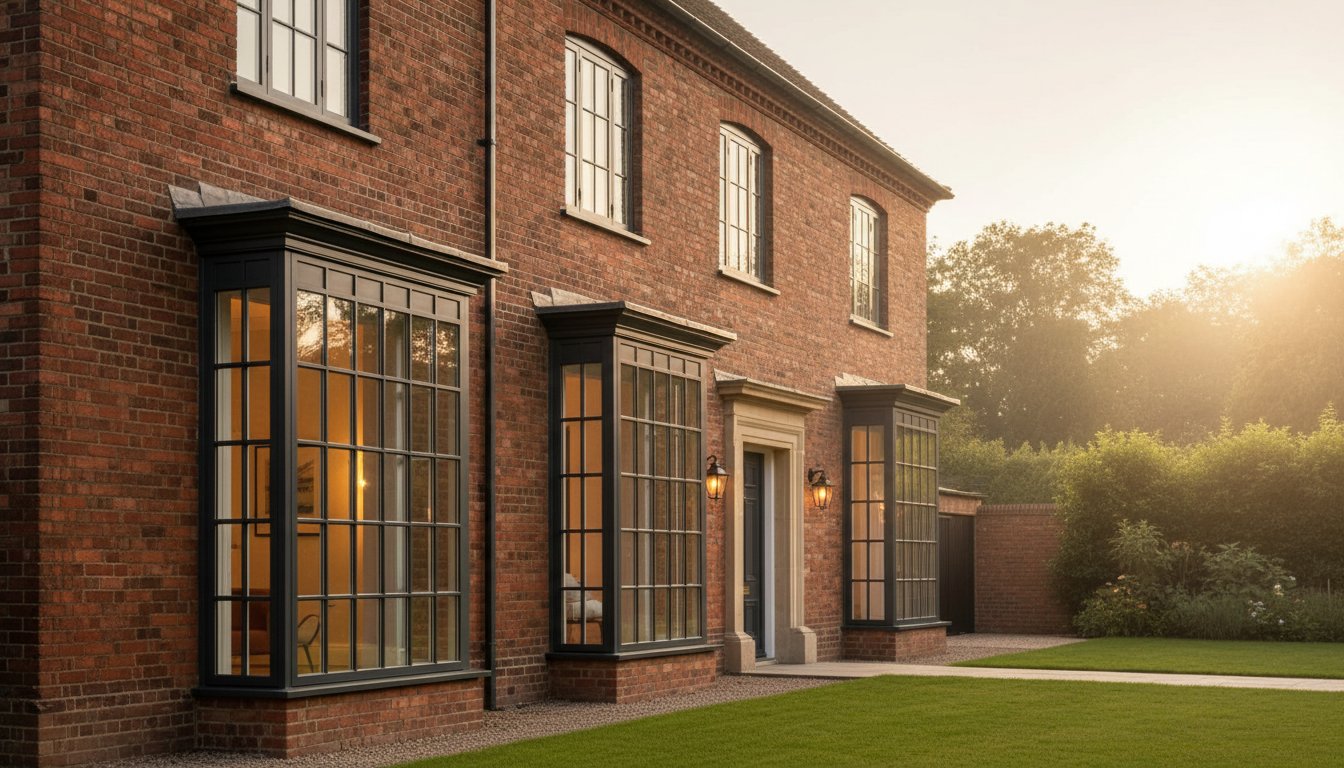
Identifying if your home sits within a protected zone is your first step. Wilmslow and Alderley Edge feature several pockets where architectural consistency is strictly enforced. We recommend an early consultation with local conservation officers to avoid project delays. They'll often insist on "like-for-like" replacements regarding frame profiles and finishes. To meet these high standards, many residents use our Heritage French Doors. These systems satisfy aesthetic requirements by mimicking traditional steel or timber designs while providing the security and warmth of modern aluminium.
Article 4: The Hidden Restriction
Article 4 Directions aren't just for historic cottages; they're increasingly common on modern Cheshire estates. Councils use them to prevent "suburban creep" by removing the right to make small changes without oversight. You can check for these directions via the interactive planning maps on the Cheshire East or Cheshire West and Chester council websites. If your property is subject to these conditions, you'll need to submit a formal application even for simple window upgrades.
Follow these practical steps to stay compliant:
- Verify your property's status on the local council’s constraints map.
- Collect technical drawings and material samples before applying.
- Consult this planning permission guide for Cheshire homeowners to ensure your designs align with local character.
- Use our "WhatsApp for plans" service to get an expert opinion on your project's feasibility.
Our local teams are familiar with the specific demands of Cheshire’s planning departments. We help you choose products that respect the past without compromising on the future comfort of your home.
The Step-by-Step Cheshire Planning Application Process
Most home improvement journeys in our region begin on the national Planning Portal. This digital hub acts as the gateway for submitting plans to both Cheshire East and Cheshire West and Chester councils. This planning permission guide for Cheshire homeowners highlights that while the portal is national, the decision-making remains local. You'll need to choose between a Full Planning Application and a Lawful Development Certificate (LDC) based on your project's scope.
A Full Planning Application is necessary when your project exceeds Permitted Development limits. This process requires a comprehensive set of documents, including:
- Location plans at 1:1250 scale showing the property in context.
- Block plans at 1:500 scale detailing the specific site boundary.
- Existing and proposed elevations at 1:50 or 1:100 scale.
- Detailed product specifications, such as thermal performance data and slimline profile cross-sections.
Statutory timelines for householder applications usually target an 8-week decision window. In busy periods, Cheshire West and Chester or Cheshire East councils may take 10 to 12 weeks to finalise a decision. Providing high-quality technical drawings from the start prevents delays caused by requests for further information.
The Lawful Development Certificate (LDC)
An LDC is the ultimate "peace of mind" document for any homeowner. It provides formal confirmation from the council that your project was legal under Permitted Development at the time of construction. This document is vital when you eventually sell your property. Buyers' solicitors in Cheshire increasingly demand an LDC to prove that window replacements or glazed extensions didn't require full permission. For a standard fee of £129, it's a cost-effective way to protect your home's value and ensure a smooth future sale.
Working with Professionals
Our technical team simplifies this process by providing the precise drawings and specifications required for your application. Using a local installer who understands the specific preferences of Cheshire councils is a significant advantage. We're familiar with the local architectural styles that planners prefer, especially in sensitive areas. If you're planning a larger glazed extension, we can also help you manage the Neighbour Consultation Scheme. This process allows for larger extensions under prior approval, provided your immediate neighbours don't raise valid planning objections.
Ready to start your project with expert technical support? Request a quote from our local team today.
Expert Support for Your Cheshire Home Transformation
Successfully navigating a planning permission guide for Cheshire homeowners is only half the battle. The real challenge lies in translating those approved plans into a high-performance reality. We don't just sell windows; we provide a consultative architectural service. Our team works alongside your architect or builder to ensure every slimline frame and glass pane meets the rigorous standards set by local authorities whilst fulfilling your aesthetic vision. We act as a safe pair of hands, guiding you through the technical complexities of modern glazing.
In many Cheshire conservation zones, traditional steel windows are the gold standard for planners. However, they often lack the thermal efficiency modern homeowners demand. We bridge this gap using high-grade aluminium "Steel Look" profiles. These systems replicate the classic 1930s industrial aesthetic but offer modern thermal performance. It's the perfect compromise between heritage compliance and 21st-century comfort. Our technical team ensures these designs satisfy even the most stringent council requirements without sacrificing the slim sightlines that define the style.
Our full-service project management covers every detail from the initial technical survey to the final installation. This approach eliminates the risk of miscommunication between different contractors. Our local teams understand the specific building stock in towns like Wilmslow, Knutsford, and Alderley Edge. This ensures every fit is precise, weather-tight, and durable. We take responsibility for the entire process, allowing you to focus on the excitement of your home's transformation.
Why Local Expertise Matters
Our long-standing relationships with conservation officers across the Cheshire region provide a distinct advantage. We understand the local nuances of planning policy. Whether it's a specific RAL colour or a particular glazing bar width, we tailor our products to match your home's character. You can explore these technical specifications in our comprehensive guide to aluminium windows. We focus on maximising natural light and opening up your home whilst respecting the architectural heritage of the area.
Start Your Project Today
Moving from the planning phase to professional installation is straightforward. You can send your architectural plans via WhatsApp for a rapid technical review by our experts. We'll examine your apertures and suggest the most suitable systems for your specific site. This modern approach saves time and provides immediate clarity on what's possible for your renovation.
Alternatively, you can book a consultation at our centre or in your own home to see the quality of our heritage and slimline ranges firsthand. Our advisors provide honest, practical advice without high-pressure sales tactics. When you're ready to move forward, request a bespoke quote for your Cheshire project to secure your 2026 installation slot and begin your journey toward a brighter, more beautiful home.
Start Your 2026 Cheshire Home Transformation Today
Navigating the 2026 landscape of Permitted Development and Article 4 Directions doesn't have to be daunting. Whether you're upgrading to slimline aluminium or preserving a period property with Heritage systems, understanding local regulations ensures your project stays on track. This planning permission guide for Cheshire homeowners highlights the importance of distinguishing between simple window replacements and complex alterations in protected areas. Since local authorities like Cheshire East and Cheshire West and Chester Council often update their specific requirements, having a local expert by your side is essential.
Our local teams operate right across the county, bringing specialised knowledge in Steel-look and Heritage installations to every project. We've simplified the process so you can focus on the design. You can even send your architectural plans via WhatsApp for instant feedback from our technical team. It's the most efficient way to get professional eyes on your project before you commit. We're here to ensure your renovation is both beautiful and compliant. Request a bespoke quote for your Cheshire home transformation and take the first step toward a stunning new look for your property. We look forward to helping you open up your home with confidence.
Frequently Asked Questions
Do I need planning permission for bifold doors in a conservation area?
You usually need planning permission for bifold doors in a conservation area if the installation involves enlarging an existing opening or significantly changing the property's external character. Local authorities across Cheshire often remove permitted development rights through Article 4 directions to preserve architectural heritage. It's best to consult our technical team early, as we can help you choose slimline aluminium profiles that are more likely to receive council approval.
What happens if I replace my windows without planning permission in Cheshire?
If you replace windows without the required consent, the local council can issue an enforcement notice requiring you to revert the changes at your own expense. This is a common issue in the 22 conservation areas within Cheshire West and Chester where strict rules apply. Failure to comply can lead to unlimited fines and creates legal complications that often delay property sales during the conveyancing process. This planning permission guide for Cheshire homeowners helps you avoid these costly mistakes by ensuring your project is compliant from the start.
Is a Lawful Development Certificate the same as planning permission?
A Lawful Development Certificate (LDC) isn't the same as planning permission, though both documents provide legal certainty for homeowners. While planning permission is a grant of consent for proposed works, an LDC provides formal proof that your window or door installation was lawful and didn't require permission at the time of completion. It's a vital document when selling your home, as it confirms to buyers and solicitors that the improvements meet all 2026 building standards.
Can I install aluminium windows in a heritage property in Chester?
You can install aluminium windows in Chester heritage properties, provided they feature "heritage" profiles that mimic traditional steel or timber frames. Many homeowners choose our 47mm ultra-slim frames to meet the strict aesthetic requirements of the Chester City Conservation Area. These modern systems offer the thermal performance of a new build while maintaining the historic character that local planning officers demand. Send us your plans via WhatsApp and our local teams can advise on the best match for your specific street.
How long does a planning application take in Cheshire East?
Most planning applications in Cheshire East are decided within 8 weeks, though complex projects involving listed buildings can take up to 13 weeks. The council's 2023 performance data shows they aim to process 80% of minor applications within this statutory timeframe. To ensure a smooth process, ensure your submission includes detailed technical drawings and material specifications. Our team regularly assists with these details to reduce the risk of initial rejection or requests for further information.
Do roof lanterns require planning permission on a flat roof extension?
Roof lanterns don't typically require planning permission if they don't project more than 150mm above the highest part of the existing roof surface. Under Class C of the General Permitted Development Order, these installations are usually "permitted development" provided they aren't higher than the original roof ridge. In specific Cheshire areas with restricted rights, it's safer to apply for a Lawful Development Certificate to confirm your project's status before the installation begins.
Are there specific window colours allowed in Knutsford conservation areas?
Knutsford conservation areas, such as the Town Centre or Legh Road, often restrict window colours to traditional whites, creams, or specific heritage shades like French Grey. The Knutsford Neighbourhood Plan emphasizes preserving the town's unique character, so choosing a modern anthracite finish may require specific consent. Our local teams can guide you on the approved palettes that satisfy the Knutsford Design Guide requirements while still providing a stunning, durable finish for your home.