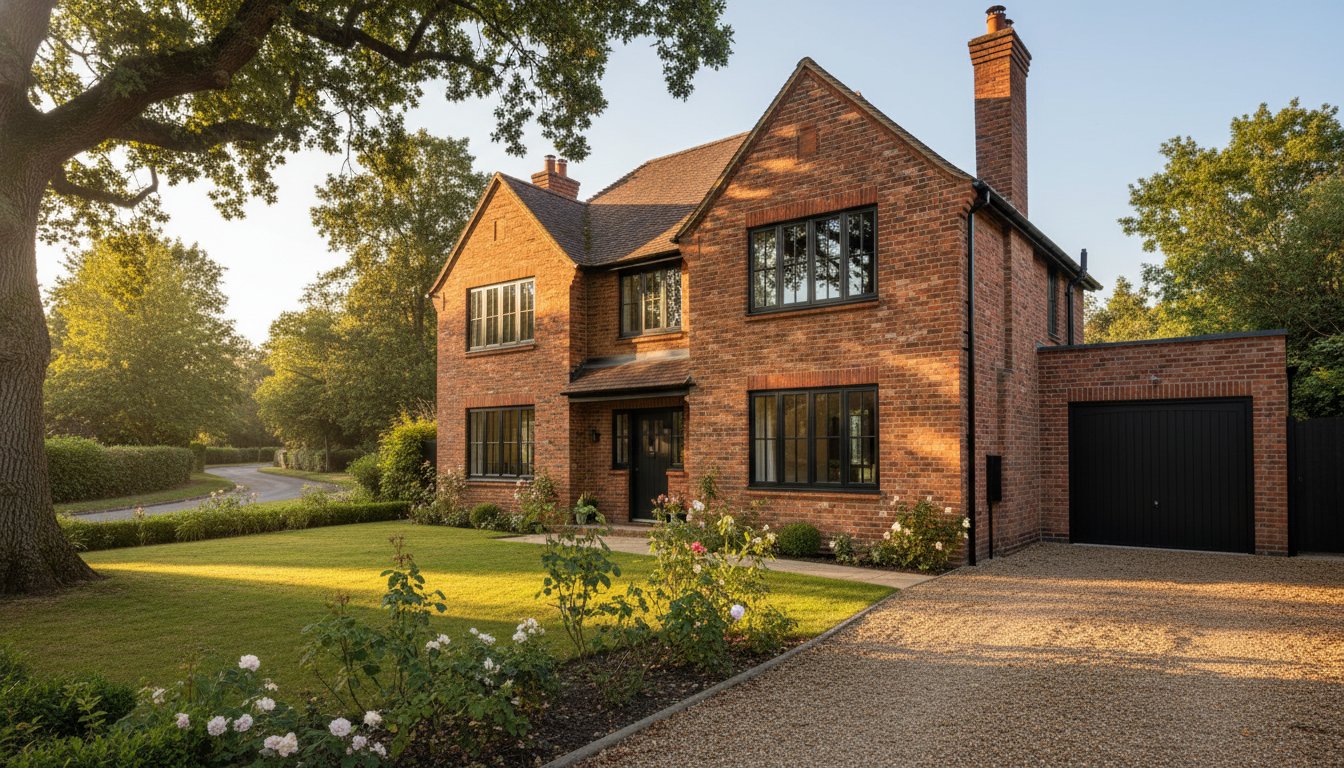
What if the very windows that define your 1930s home's character are actually the biggest drain on its future value? For many Northwich residents, the iconic slim profiles of original steel frames are a source of pride, yet they often come with the burden of single-glazed drafts and skyrocketing energy bills. You shouldn't have to choose between historical integrity and modern comfort. By choosing heritage aluminium windows for 1930s homes in Northwich, you can maintain that classic kerb appeal whilst meeting the rigorous 1.4 W/m²K thermal efficiency standards required as of May 2026.
We understand the unique architectural landscape of Cheshire, from the vibrant town centre to the protected Northwich Conservation Area. In this guide, you'll learn how to navigate Cheshire West and Chester Council's planning expectations and select high-performance frames that replicate the "steel-look" perfectly. We'll show you how to eliminate condensation, reduce heat loss, and partner with a local technical team that treats your period property with the expert care it deserves.
Key Takeaways
- Preserve the iconic kerb appeal of your property by choosing slim-profile frames that perfectly mimic original 1930s steel glazing.
- Discover how modern "Polyamide Thermal Break" technology allows heritage aluminium windows for 1930s homes in Northwich to meet the latest 2026 energy efficiency standards.
- Compare the cost-to-performance benefits of "steel-look" aluminium against traditional steel to find the most practical solution for your renovation.
- Learn the essential steps for navigating Northwich planning considerations and choosing authentic finishes like Matt Black to honour your home's history.
- Explore how a consultative, expert-led installation process ensures your significant home improvement project remains a stress-free and rewarding investment.
The 1930s Aesthetic: Why Northwich Homes Suit Heritage Aluminium
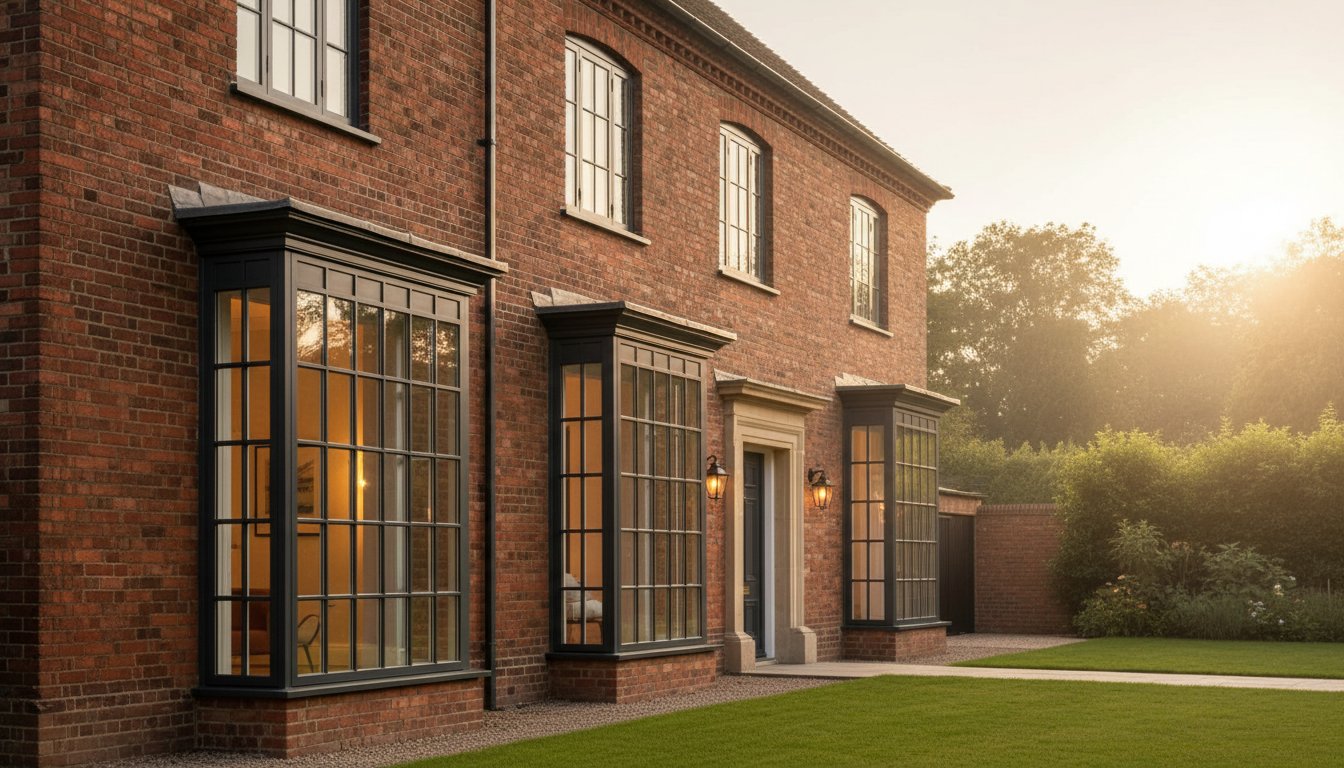
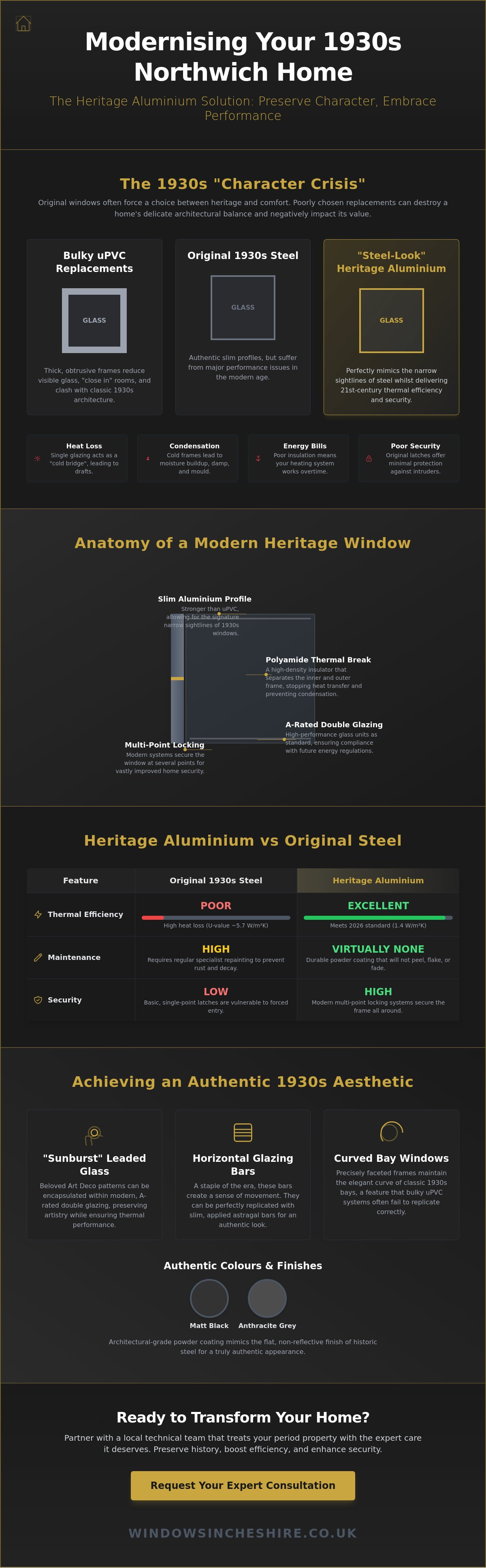
Heritage aluminium windows for 1930s homes in Northwich are specifically engineered to replicate the ultra-slim profiles of original steel frames that defined the inter-war era. During the 1930s, Northwich experienced a significant residential building boom. Estates in Leftwich and the leafy outskirts of the town centre are still characterised by these iconic semi-detached and detached properties. These homes were designed to feel airy and optimistic, moving away from the heavy Victorian style towards a more streamlined look. However, many of these properties now face a "Character Crisis." When original thin-frame windows are replaced with chunky, standard uPVC, the delicate architectural balance is destroyed, which can negatively impact the property's market value.
Our technical team often sees how bulky replacements "close in" a room, reducing the visible glass area and muddying the clean lines of the facade. By choosing heritage aluminium, you're not just buying a window; you're restoring a piece of local history. These frames provide the same narrow sightlines as 1930s steel but with the structural integrity and security that modern homeowners expect.
Iconic Northwich 1930s Architectural Features
The 1930s was a decade of bold design transition, heavily influenced by the global rise of 1930s Art Deco architecture. In Northwich, this manifested in several specific ways. You'll often see curved bay windows that require precise, faceted frames to maintain their shape. Horizontal glazing bars were also a staple, creating a sense of movement across the brickwork. Perhaps the most beloved feature is the "sunburst" leaded glass pattern, often found in top lights or front door side panels. We can now encapsulate these original leaded designs within modern double glazing, ensuring the artistry of the 1930s is preserved whilst meeting 2026 thermal standards.
The Shift from Timber and Steel to Aluminium
Original 1930s windows were almost exclusively made from timber or hot-rolled steel. Whilst beautiful, timber is ill-suited to the damp Cheshire climate, often requiring expensive specialist maintenance every 4 to 6 years to prevent rot. Original steel frames are even more problematic; they are notorious for "cold bridging," which leads to heavy condensation and black mould growth during the winter months. Heritage aluminium bridges the gap by offering a maintenance-free finish that looks exactly like classic steel but performs like a 21st-century thermal barrier.
Modern aluminium is inherently stronger than uPVC, allowing for those signature slim frames without compromising on the weight of high-performance glass. It's the only material that truly honours the 1930s spirit of "form following function" whilst protecting your home from the elements.
Technical Excellence: Anatomy of a Heritage Aluminium Window
Modern heritage aluminium windows for 1930s homes in Northwich are a marvel of material engineering. The core of every frame contains a Polyamide Thermal Break. This high-density plastic strip separates the internal and external aluminium sections, effectively stopping heat from escaping. Original steel windows lacked this feature, acting as a direct conductor for the cold and causing the condensation issues common in older Cheshire properties. Today, our technical team uses this technology to ensure your home remains warm even in the depths of a Northwich winter.
To achieve the authentic 1930s appearance, we use architectural-grade powder coating. Matt Black and Anthracite Grey are the most popular choices for local renovations because they mimic the flat, non-reflective finish of historic steel. This coating is incredibly durable; it won't peel, flake, or fade over time. It's a practical, low-maintenance alternative to timber that stays looking fresh for decades without the need for repainting.
Performance is just as vital as appearance. All our installations feature A-rated glazing as standard to comply with the latest UK building regulations for windows. As of May 2026, replacement windows must achieve a maximum U-value of 1.4 W/m²K. We combine this thermal efficiency with modern multi-point locking systems. Unlike the simple catch-latches of the 1930s, these systems secure the window at multiple points along the frame, providing a level of home security that was previously impossible for period properties.
Slim Sightlines and Frame Profiles
The defining feature of the heritage style is the ultra-slim profile. A typical heritage aluminium frame measures approximately 59mm in width. In comparison, a standard uPVC frame often exceeds 70mm. This 11mm difference might sound small, but across a whole house, it significantly increases the visible glass area. These slim frames maximise natural light, which is a priority for homeowners looking to open up their living spaces. We also use a "stepped" frame design to recreate the iconic shadow lines found on original 20th-century glazing.
Astragal Bars and Leaded Detail
To replicate the intricate patterns of 1930s glazing, we use authentic surface-mounted Astragal bars. Unlike internal spacers that sit between the glass panes, these bars are fixed to the exterior. They provide a tactile, traditional feel that's indistinguishable from separate glass panes. Whether you want to recreate classic diamond leaded patterns or the square grids typical of Art Deco designs, our slimline aluminium windows offer the precision required. If you're ready to see how these details look on your own property, you can request a bespoke quote from our local team today.
Heritage Aluminium vs. Original Steel: A Practical Comparison
Whilst historic steel glazing provides the blueprint for the 1930s look, heritage aluminium windows for 1930s homes in Northwich are now the logical choice for modern renovations. The primary differentiator is the cost-to-performance ratio. Modern aluminium is significantly more cost-effective than bespoke new steel, yet it delivers the thermal insulation that original frames lack. According to industry reports from early 2026, aluminium’s durability ensures a lifespan of 45 to 50 years. This makes it a sound long term investment for homeowners who want to preserve their property's value without the premium price tag of traditional metalwork.
Maintenance is another area where aluminium excels. Original painted steel is prone to corrosion, particularly in the humid environments found across Northwich and the Weaver Valley. It requires consistent sanding and repainting to stay ahead of rust and peeling. Powder-coated aluminium eliminates this cycle entirely. It's a practical, high-performance solution that keeps your home's exterior looking pristine without the labour-intensive upkeep. This "fit and forget" quality is a major draw for local families who want to spend more time enjoying their homes and less time on ladders with a paintbrush.
Why Steel-Look Aluminium Wins for 1930s Renovations
Beyond the thermal benefits discussed in previous sections, the physical weight of the material plays a crucial role. Aluminium is notably lighter than steel. This simplifies the installation process into the delicate brickwork apertures typical of 1930s semi-detached homes in estates like Leftwich. It reduces the risk of structural stress on your property's facade whilst allowing for the same ultra-slim sightlines. For a deeper analysis of these aesthetic and functional choices, you can explore our Steel Look Windows Cheshire: The 2026 Heritage Style Guide.
The "Steel-Look" Internal Connection
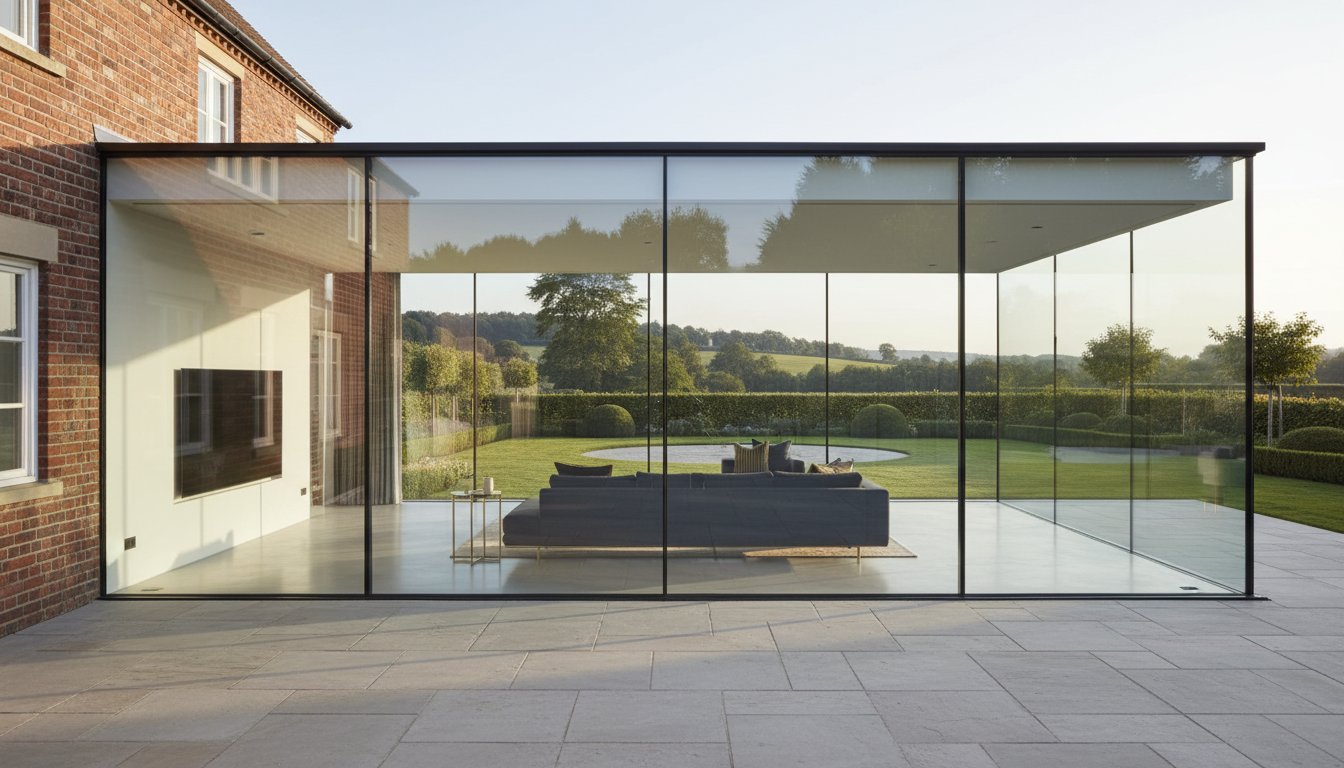
The 1930s aesthetic doesn't have to end at your external walls. A significant trend in Northwich involves pairing heritage windows with internal steel-look doors. This creates a seamless visual bridge between your garden and your living space, making your home feel much larger. By using these slim-profile internal doors, you can open up your home to let light travel through every room whilst maintaining clear zones for heating and noise control. It's a modern way to honour the structured charm of the inter-war period without sacrificing the airy feel of contemporary open-plan living. Using matching finishes across both your windows and doors ensures a unified, high-end look that resonates with the heritage of the area.
Planning and Installing Your Windows in Northwich
Successful home improvement begins with a precise architectural assessment. When we install heritage aluminium windows for 1930s homes in Northwich, our first step is always to examine the structural integrity of your original openings. 1930s properties often feature heavy stone lintels or curved brickwork bays that require specialist handling. Our technical team checks for level sills and any historical movement to ensure your new slimline frames fit perfectly. This initial survey is the foundation of a "safe pair of hands" approach, ensuring the installation is as robust as it is beautiful.
Choosing the right finish is your next priority. Whilst Matt Black is the industry standard for replicating the authentic 1930s steel look, we also offer Grained finishes for homeowners who want a subtler, textured appearance. Once you've selected your profile, we handle the technical compliance. In the Cheshire West and Chester area, all replacement windows must meet FENSA standards or be inspected by local building control. By using our FENSA-registered local teams, you bypass the need for independent council inspections, which can often cost between £200 and £400 in additional fees. We provide the certification you'll need if you ever decide to sell your property.
On the installation day, we prioritise efficiency to minimise disruption. We know that residential streets in areas like Leftwich or Castle can be narrow, so we coordinate our arrivals and workspace to keep your driveway and the public pavement clear. Our goal is a seamless transition from your old, drafty frames to high-performance glazing in a single project window.
The Modern Way to Get a Quote
We've removed the "analysis paralysis" of traditional window shopping. Northwich residents can now use our "WhatsApp for plans" service to start their project instantly. Simply take a few clear photos of your existing 1930s bays and provide rough width and height measurements. Our technical team will review these images and send back a preliminary estimate, saving you from an initial high-pressure sales visit. If you're ready for a more detailed discussion, you can Request a Quote for a full professional site survey.
Local Knowledge: Northwich Conservation and Character
Whilst many 1930s estates sit just outside the primary Northwich Conservation Area, maintaining the "Cheshire look" is vital for local curb appeal. Our teams are deeply rooted in the community and understand the specific architectural nuances of the region. We provide full project management, ensuring that your heritage aluminium windows for 1930s homes in Northwich honour the original character of the street. If you want to see how these frames look in a real-world setting, view our heritage aluminium range to find the perfect match for your home's unique history.
Transform Your Home with Windows in Cheshire
Upgrading a period property is about more than just basic maintenance. It's about recapturing the architectural optimism of the original 1930s design. Heritage aluminium windows for 1930s homes in Northwich achieve this by blending that iconic, slimline aesthetic with the technical precision required for 2026. This transformation does more than just lower your energy bills. It floods your rooms with natural light, secures your home against modern threats, and restores the kerb appeal that makes Northwich semis so desirable. You aren't just replacing windows; you're future-proofing your home's character.
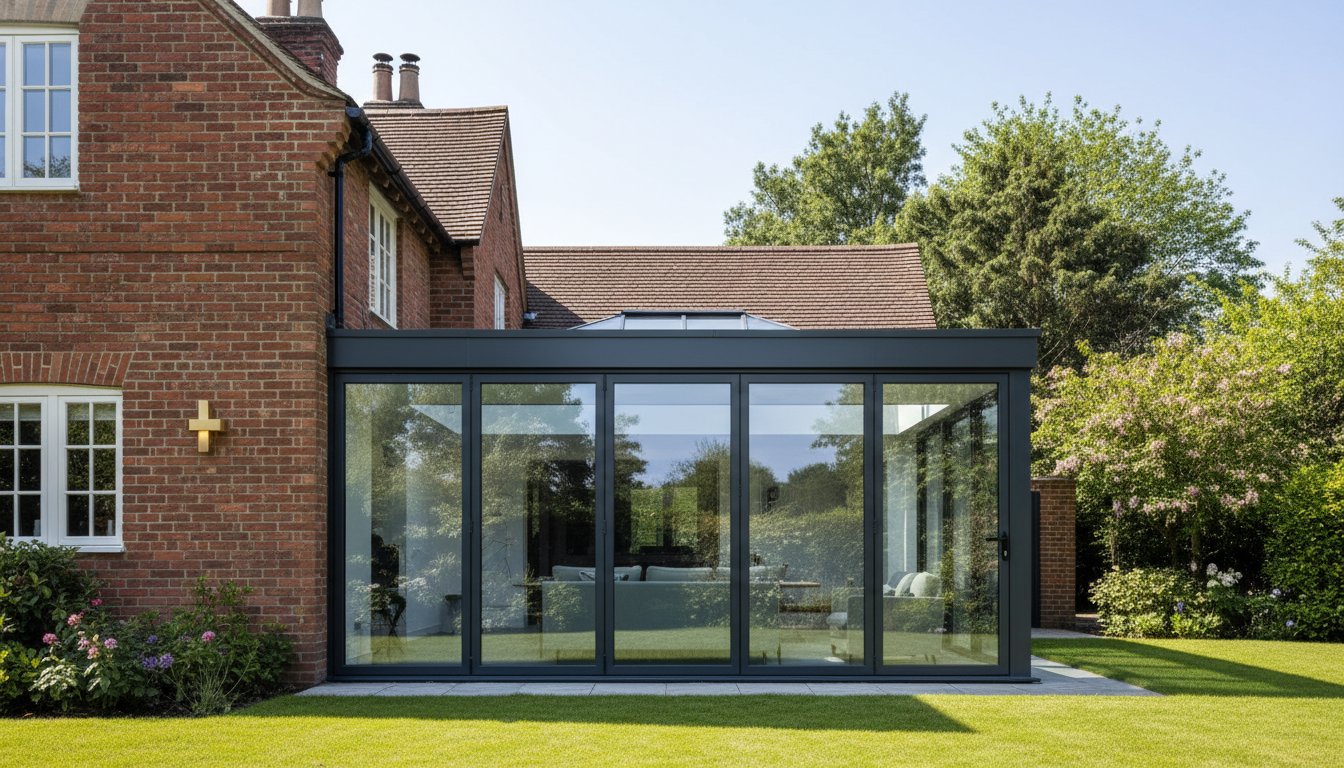
For those planning a larger renovation, our Heritage French Doors offer a perfect way to complete the look. These doors are specifically designed to match the external windows, ensuring your new rear extension or garden room feels like a natural part of the original house. By maintaining these consistent sightlines, you avoid the mismatched look that often plagues modern renovations. We encourage you to explore our recent Cheshire case studies or visit our local showroom. Seeing the tactile quality of the powder-coated finish and the precision of the Astragal bars helps you visualise the final result. Our team is here to act as a "safe pair of hands," providing the expert advice you need to make an informed decision for your most valuable asset.
Why Choose a Local Cheshire Specialist?
Our "Local Teams" are deeply familiar with the specific challenges of Northwich homes, from the damp Cheshire climate to the structural nuances of 1930s brickwork. Every installation is backed by a 10-year guarantee and full FENSA certification, ensuring your home meets all current building regulations. We don't believe in high-pressure sales. Instead, we focus on a consultative approach that prioritises your home's long-term durability. By choosing a local specialist, you gain access to installers who understand how the local weather impacts different frame materials over a fifty-year lifespan. We make sure your investment is protected by using only the highest-grade aluminium and A-rated glazing.
Start Your 1930s Restoration Today
Taking the first step is simple and entirely stress-free. You can send your plans or photos via WhatsApp for an immediate expert review, or fill out our online form for a more detailed consultation. For more in-depth advice on material choices and performance, read our Premium Aluminium Windows in Cheshire: The 2026 Homeowner’s Guide. Our technical team is ready to help you open up your home and maximise light whilst honouring the unique history of your property. Let's work together to create a stunning, energy-efficient space that you'll love for years to come.
Restore the Elegance of Your 1930s Northwich Home
Restoring a period property requires a delicate balance between historical accuracy and modern performance. By choosing heritage aluminium windows for 1930s homes in Northwich, you ensure your property meets the 1.4 W/m²K thermal standards required as of May 2026 without sacrificing its iconic slimline silhouette. We've explored how these frames outperform original steel in both insulation and durability, providing a "fit and forget" solution that often lasts for 50 years or more.
Our expert local Cheshire teams are specialists in 1930s period restorations, ensuring every stone lintel and curved bay is handled with precision. As a FENSA Registered Installer, we provide the technical security and professional certification your investment deserves. It's time to eliminate drafts, reduce your energy bills, and open up your home to the natural light it was designed to capture.
Request a bespoke quote for your Northwich heritage windows today
We look forward to helping you transform your property with the expert care it deserves.
Frequently Asked Questions
Do heritage aluminium windows look like original 1930s steel frames?
Yes, heritage aluminium windows for 1930s homes in Northwich are specifically designed to mirror the 59mm slim sightlines of original steel. The stepped frame detail creates the authentic shadow lines seen in early 20th century architecture. This allows you to maintain the period charm of your property while enjoying the structural strength and thermal performance of high grade aluminium.
Will I need planning permission to replace my windows in Northwich?
Most window replacements fall under permitted development. However, if your home is in the Northwich Conservation Area or is a listed building, you must contact Cheshire West and Chester Council for planning permission. Our local teams can guide you through these regulations to ensure your installation is fully compliant with local authority expectations as of May 2026.
How much more do heritage aluminium windows cost compared to uPVC?
Aluminium windows are typically 40% more expensive than uPVC equivalents. This price difference reflects the material's 50 year lifespan and its ability to support much slimmer frames without losing structural integrity. Whilst the initial investment is higher, the long term value added to a 1930s period property often outweighs the upfront cost compared to standard plastic alternatives.
Are heritage aluminium windows as secure as modern standard windows?
Yes, modern heritage aluminium systems are significantly more secure than the windows they replace. They feature multi-point locking mechanisms and internal glazing beads that prevent glass removal from the outside. These systems meet the latest PAS24 security standards, offering a level of protection that original 1930s catch-latches simply cannot provide for your family and possessions.
Can I keep my original 1930s leaded glass designs?
You can preserve your history through a process called encapsulation. We carefully remove your original leaded lights, clean them, and seal them inside a new, thermally efficient double glazed unit. This allows you to keep the "sunburst" or diamond patterns that define your home's character whilst meeting the 1.4 W/m²K U-value requirements mandated by 2026 building regulations.
How long does the installation of heritage windows typically take?
A standard installation for a three bedroom semi-detached house in Northwich usually takes between 2 and 3 working days. Our local teams organise the process to ensure your home remains weather-tight throughout the project. We focus on completing one room at a time to minimise disruption to your daily routine, especially in busy residential areas like Leftwich.
What is the best colour for 1930s heritage aluminium windows?
Matt Black is the most authentic choice for recreating the 1930s "steel-look" aesthetic. It provides a non-reflective, sophisticated finish that perfectly matches the architectural spirit of the era. Anthracite Grey is another popular option for Northwich homeowners, offering a slightly softer, modern twist that still maintains the iconic slim-profile appearance of heritage aluminium windows for 1930s homes in Northwich.
Can I use heritage aluminium for my 1930s bay window?
Aluminium is an ideal material for the faceted bay windows common in 1930s architecture. Its inherent strength allows for narrow corner posts that maximise your view and natural light. Unlike bulky uPVC, heritage aluminium can follow the precise angles of your bay, ensuring the window remains a striking focal point of your home's facade without looking out of place.